REVIEW · SARDINIA
Cagliari: natural cultural walking, food wine tasting experience
Book on Viator →Operated by Sardfulness - an authentic journey · Bookable on Viator
Cagliari is best experienced slowly, with your senses turned on, and this natural + cultural walking format does that job fast. You start in historic neighborhoods, pause for photos, then taste Sardinian specialties that actually reflect how people on the island eat and drink. It is not just snacks on the go; it is a guided stroll that connects plants, place names, and local production into one easy morning.
I especially love how the tour mixes heritage storytelling with practical tasting time. Your guide is Lele (you may also see Emanuele/Emmanuele in the company name and confirmations), and the way he links Cagliari’s streets to food and language makes the whole walk feel personal. I also like that the group is small—maximum 8 travelers—so you are not shouting over a crowd just to ask what something tastes like.
One thing to consider: tasting does not provide veggie or seafood alternatives, so if your diet is strict, this may be a mismatch.
In This Review
- Key highlights
- Why This Cagliari Walk Feels Like a Local Morning
- Getting Oriented: Where Castello, Villanova, and the Sea-Flat City Meet
- Giardino sotto le Mura: Limestone Fossils, Wild Plants, and Sciola Sound Stones
- The Food and Wine Stops: Sheep’s Milk Cheese, Cured Meats, Sapa, and Natural Wine
- Savory Meets Sweet: Bread, Olive Oil, and a Gelato Finale
- Price and What You Actually Get for $108.89
- Who Should Book This Tour (and Who Might Skip It)
- Should You Book This Tour or Not?
- FAQ
- Is the tour in English?
- Where does the tour start?
- Is hotel pickup available?
- How long is the experience?
- What dietary alternatives are available?
- What size group is this tour?
- What is the cancellation window?
Key highlights
- Giardino sotto le Mura: a former limestone quarry turned park, right between Castello and Villanova
- Pinuccio Sciola sound stones: basalt and limestone sculptures tied to Sardinia’s natural soul
- Sheep’s-milk cheese and cured meats with a focus on hyper-local production
- Natural wines paired with Sardinian bread and olive oil, plus sapa (cooked must)
- Gelato finish at a shop that makes it by hand (Sardinian flavors)
- Small group feel with time to talk, ask questions, and get real recommendations
Why This Cagliari Walk Feels Like a Local Morning
If you only visit Cagliari from street level, you get the postcard view. If you take this kind of walk, you get the logic of the city—the way people use parks, shops, and neighborhood rhythms. The pace here is built for conversation: you walk, you stop, you taste, and the guide keeps tying each moment back to Sardinia’s culture.
You also get an easy structure for a place that can feel confusing at first. The meeting point is at Carlo Felice (Rinascente), and the tour loops back there at the end. That matters when you have limited time, like a stop over on Sardinia, because you do not lose half your morning figuring out logistics.
This is a 2 hours 30 minutes experience, and most of that time is real time—walking plus tastings, not just waiting around. You will likely spend part of your morning in shade and part in sun, depending on the route and season. One big plus: your guide may shift the plan for comfort if it is hot, steering you toward greener, tree-covered streets when needed.
Other Cagliari tours and city experiences in Sardinia
Getting Oriented: Where Castello, Villanova, and the Sea-Flat City Meet
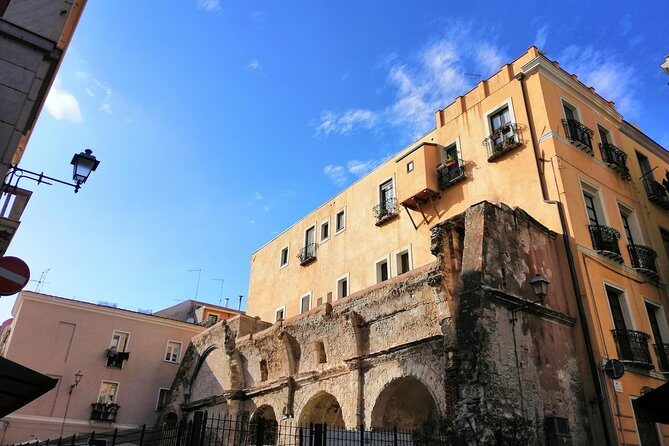
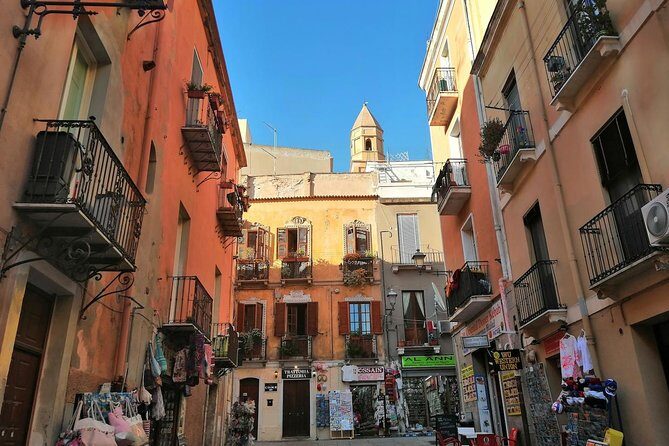
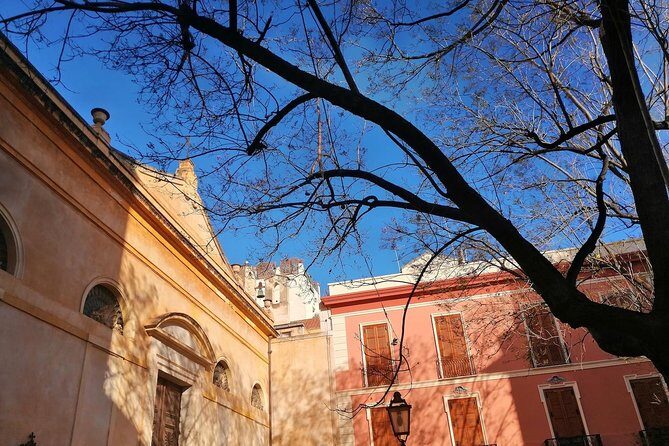
Cagliari is built on limestone hills and shaped by a mix of older districts and green pockets. You feel that right away as you move through the historic zone around the Castello and Villanova areas. Those names matter because they anchor how people think about the city—elevation, walls, and neighborhood identity.
What I like is that the walk is not purely about eating. The guide uses the setting to explain why the city developed where it did and how the natural world fits inside the urban one. That is why the park stop is more than a break; it is a living lesson in plants, stone, and local art.
Also, keep your expectations realistic about walking. This is not a sit-down tour. You will be on your feet for several stretches, including uphill terrain in some directions. If you have mobility limits, you might still participate (the experience says most travelers can), but plan for a steady pace and bring comfortable shoes.
Giardino sotto le Mura: Limestone Fossils, Wild Plants, and Sciola Sound Stones
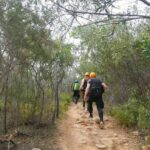
The heart of the walk is the Giardino sotto le Mura stop, timed at about 20 minutes. Think of it as a green corridor between two historic areas, and a chance to read the city’s geology without needing a geology degree.
This park sits in a former quarry where limestone blocks were extracted. That detail is not random. Limestone here is not just a rock; it connects to Cagliari’s age and the way the island’s landscape formed. You also get a sense of how the city holds onto nature by letting it grow along limestone ridges.
You are shown plants with real meaning:
- a centuries-old olive tree
- carob and oaks
- Sardinian flora and aromatic shrubs
- caper bushes growing along the limestone ridge edges
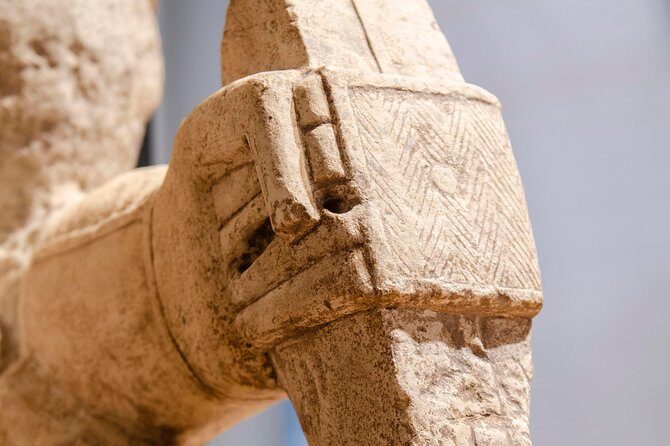
Then there is the art. In this garden, you can see works by Sardinian artist Pinuccio Sciola, including the famous sound stones—sculptures made from basalt and limestone that reflect his connection to the island’s natural spirit. Even if you do not know Sciola, you will get the point: the island’s materials and the island’s culture are intertwined here.
Practical tip: bring your phone for photos. This is the kind of place where the best pictures are not only of flowers or trees, but also of stone textures and art details. The park also feels like a breather from the street, so it is a nice mental reset before the tastings.
The Food and Wine Stops: Sheep’s Milk Cheese, Cured Meats, Sapa, and Natural Wine
The main event is the tasting portion, and it is built around Sardinia’s real producers and traditional ingredients. The tour is designed so you try multiple bites without turning it into a marathon. In other words, you should leave satisfied, not stuffed.
Here is what you can expect, based on the types of stops and pairings described:
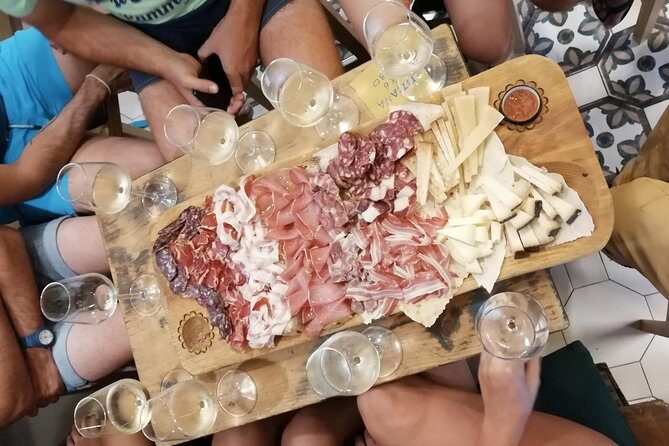
- raw sheep’s milk cheeses (often alongside other dairy options like goat and sheep cheeses in pasteurized form)
- cured meats such as prosciutto-style selections and other local specialties
- bread with olive oil and salt, sometimes with added wild fennel seeds
- sapa (cooked must), which is a signature Sardinian sweet element
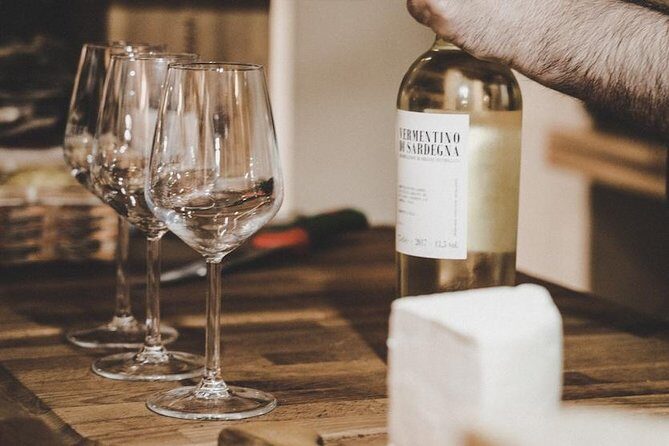
- natural wines, including wines described as spontaneously fermented and sometimes unfiltered
One reason this works is that the guide explains what you are eating. You are not just handed items. You learn how these foods are made and why certain flavors show up again and again on the island. That context makes the tastings feel sharper and more memorable, even if you have eaten plenty of Italian food before.
Wine pairing is another strength. Natural wine can be a love-it-or-leave-it style, but the tour’s approach is not about shock flavors. It is about letting you taste how local grapes and local production choices show up in a glass, alongside cheese and cured meat. If you are a wine fan, you will appreciate that the tastings are tied to specific shops and local selections rather than generic wine pours.
Important dietary note (again): the tasting portion does not provide veggie or seafood alternatives. If you eat meat and dairy, you are likely in great shape. If you do not, email the operator or check your options before booking.
Savory Meets Sweet: Bread, Olive Oil, and a Gelato Finale
Food tours can get predictable. This one avoids that by balancing savory, sweet, and palate-cleansing stops so the walk stays fun instead of heavy.
On the savory side, Sardinian bread and olive oil are not an afterthought. You can expect bread paired with olive oil and salt, with flavors like wild fennel seeds making the bites more vivid. That matters because it connects the taste of a dish to how Sardinia seasons food, not just what the dish is.
Then you move into the sweet finish territory. Gelato shows up at the end at a gelateria that makes it by hand, with Sardinian flavors. I would plan to eat a normal-sized meal beforehand, not a giant one. You want room for gelato, and you also want your energy for the walking.
If you like visual rewards, you might also catch views from higher points. One commonly mentioned highlight is a terrace with 360-degree views as part of the route. Even if you do not spend long there, it gives you that Cagliari feeling: city, hills, and sea-connected air in one glance.
Other Sardinian wine tasting experiences in Sardinia



Price and What You Actually Get for $108.89
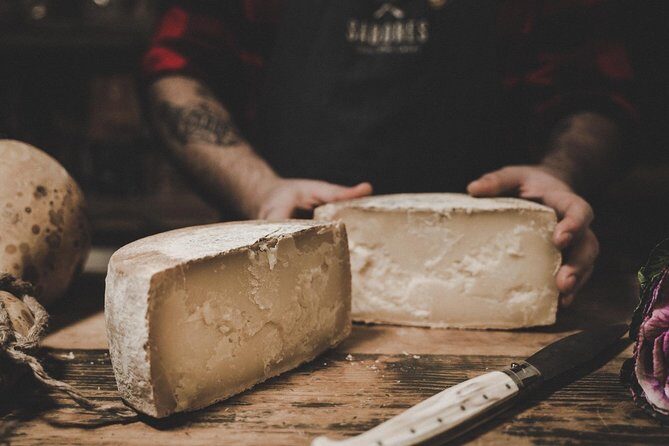
At $108.89 per person for about 2.5 hours, you are paying for three things: guided time, small-group access, and tasting value. This is not a budget snack crawl.
Here is what makes it feel like solid value:
- Multiple tastings: cheeses, cured meats, bread/olive oil, sapa, and natural wine
- A real cultural stop at Giardino sotto le Mura, with the admission ticket included
- Small group size (max 8), which usually means more conversation per minute
- A guide who connects food to language and local identity, so you leave with more than flavors
If you tried to assemble this day yourself, you would likely spend time hunting for the right producers and coordinating tastings across locations. This tour hands you the sequence and the storytelling so you can focus on tasting and learning.
Booking-wise, it is often reserved around 54 days in advance on average, so if your dates are fixed, do not wait until the last week and hope it works out.
Who Should Book This Tour (and Who Might Skip It)
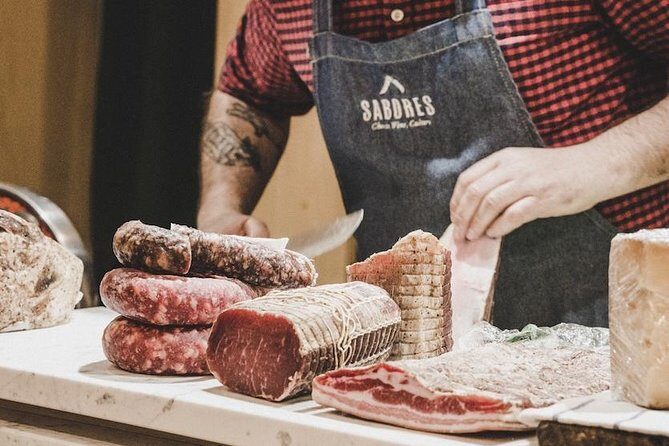
You should book if you:
- want authentic food and wine in a walking format
- enjoy small-group interactions over big bus tours
- like being taught the context behind what you taste (why the island does things the way it does)
- are comfortable with meat and dairy flavors like raw sheep’s milk cheese and cured meats
You might skip or re-think it if you:
- need veggie or seafood alternatives, because the tasting does not offer those options
- dislike moderate uphill walking, since parts of the route can be strenuous in warm weather
This tour also suits travelers who want a local feel without having to build an itinerary from scratch. The guide is clearly well connected in the Cagliari community, and the way he greets people and points out details gives the day a real texture.
A small but helpful mindset: come hungry, but not starving. The tastings are plentiful, but they are planned. If you arrive too full, you may miss the subtle differences in cheese and wine pairings.
Should You Book This Tour or Not?
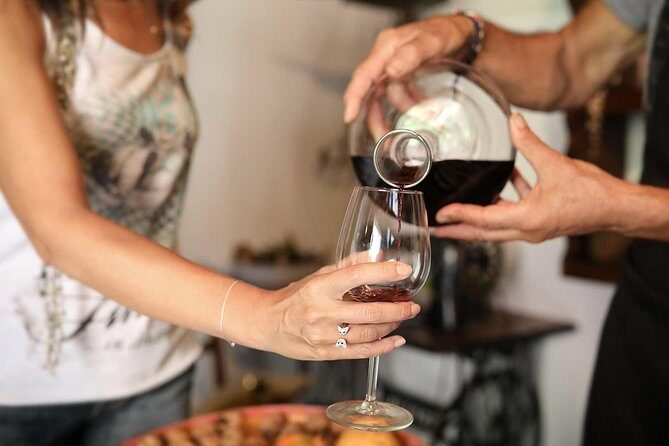
Yes, if your goal is to understand Cagliari through food, wine, and the places that shape daily life. This is one of those experiences where the park stop, the stone-and-plant story, and the tastings all reinforce each other. It is also one of the best ways to get comfortable with the city’s neighborhoods in a short time.
I would book confidently if you eat meat and dairy. I would hesitate only if your diet excludes those categories. If that applies, you will probably feel frustrated during tastings that are built for Sardinia’s traditional choices. If not, bring good shoes, a phone for photos at the garden and views, and expect to leave with a more personal read on Cagliari than you can get from a standard walking tour.
FAQ
Is the tour in English?
Yes. The experience is offered in English.
Where does the tour start?
The tour starts at Carlo Felice (Rinascente), 09124 Cagliari.
Is hotel pickup available?
Hotel pick-up is available only from hotels in the metropolitan area of Cagliari.
How long is the experience?
It is approximately 2 hours 30 minutes.
What dietary alternatives are available?
The tasting does not provide veggie or seafood alternatives.
What size group is this tour?
The tour has a maximum of 8 travelers.
What is the cancellation window?
You can cancel for a full refund up to 24 hours in advance of the experience’s start time.