REVIEW · SARDINIA
Barumini Su Nuraxi and Casa Zapata
Book on Viator →Operated by Welcome to Sardinia · Bookable on Viator
Barumini can feel far from the usual Sardinia beach-and-ruins route, but Su Nuraxi makes the detour worth it. In a few hours, you’ll see how a Nuraghe sat between defense and everyday life, and you’ll get the kind of explanation that helps the stones make sense fast.
I especially like that the tour blends big-picture context (Nuragic culture and its links across the Mediterranean) with hands-on site time at the UNESCO-listed complex. The guided visit stays practical, so you’re not just looking at rocks—you’re understanding them.
You’ll also stop at Casa Zapata Museum, which turns all those archaeological finds into something you can actually follow. It’s set up in three sections (archaeological, historical, and ethnographic), and the museum’s 17th-century building sits directly on Nuragic ruins, so the setting itself teaches you.
One thing to plan around: meals aren’t included, and you start from a central meeting point in Cagliari (no hotel pickup). Bring a water bottle and expect to cover the full day’s needs outside of the tour.
In This Review
- Key highlights at a glance
- How This Cagliari to Barumini Tour Works
- Su Nuraxi di Barumini: The UNESCO Nuraghe You Can Read
- Casa Zapata Museum: Where Ruins Turn Into Stories
- The Small-Group Minivan Advantage (and Why It Matters)
- Price and Value: What You’re Paying For
- What This Tour Is Best For (and Who Might Skip)
- Practical Tips Before You Go
- Should You Book Barumini Su Nuraxi and Casa Zapata?
- FAQ
- Where does the tour start in Cagliari?
- What time does the tour begin?
- Is admission to Casa Zapata Museum included?
- Do I need to arrange transport to Barumini?
- Is there a meal stop or lunch included?
- How large is the group?
- What happens if the weather is bad?
Key highlights at a glance
- UNESCO-listed Su Nuraxi (1997), one of the best-preserved examples of a Nuraghe complex
- Casa Zapata Museum admission included, with archaeological, historical, and ethnographic sections
- Air-conditioned minivan for the hotter parts of the island day
- Small group size (max 8), which usually means more questions and less rushing
- Round-trip from central Cagliari (Piazza Yenne), so you skip the hassle of planning transport
How This Cagliari to Barumini Tour Works
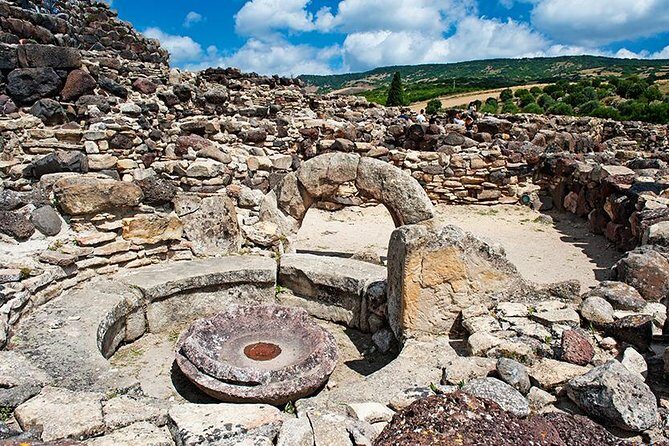
This is a focused half-day outing from Cagliari into Barumini, designed for people who want more than postcard Sardinia. You meet at Piazza Yenne (09124 Cagliari), near public transportation, and the tour runs for about 4 hours total (with the site visit portion built into that timing). The departure/start time is listed as 9:30 am, and you return to the same meeting spot.
You travel in an air-conditioned minivan, which matters in summer. The island gets hot, and you’ll appreciate not spending part of your day in a stuffy vehicle. Plus, because it’s a small group capped at 8, the pace tends to feel controlled rather than chaotic.
What’s also smart: admission tickets and the guide are included. That means you can show up, pay once, and spend your attention on the sites instead of paperwork and ticket lines. Meals are not included, though, so bring your own simple snack plan.
Other Nuraghe and Su Nuraxi tours in Sardinia
Su Nuraxi di Barumini: The UNESCO Nuraghe You Can Read
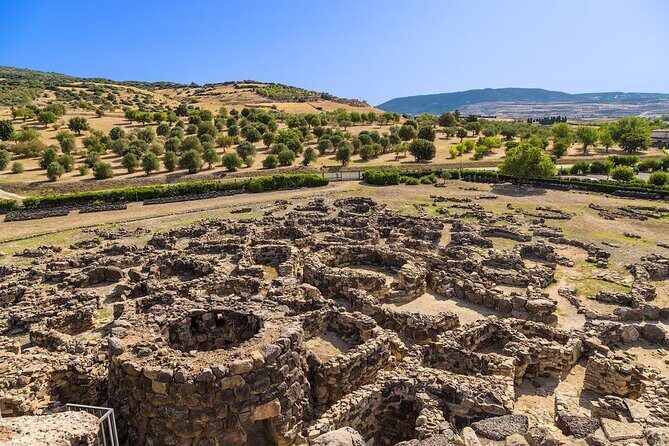
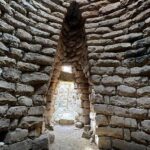
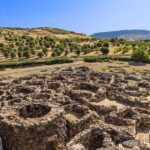
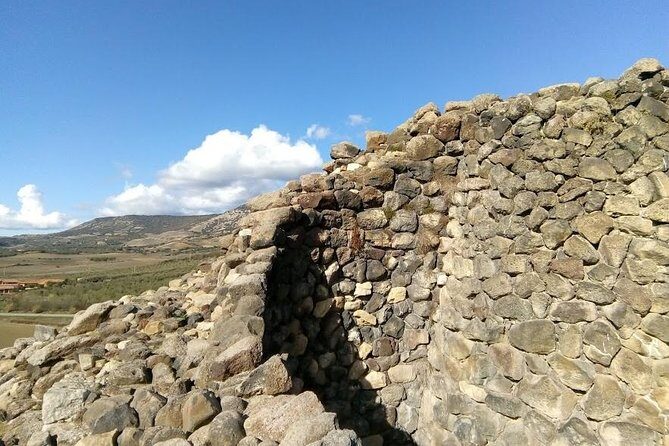
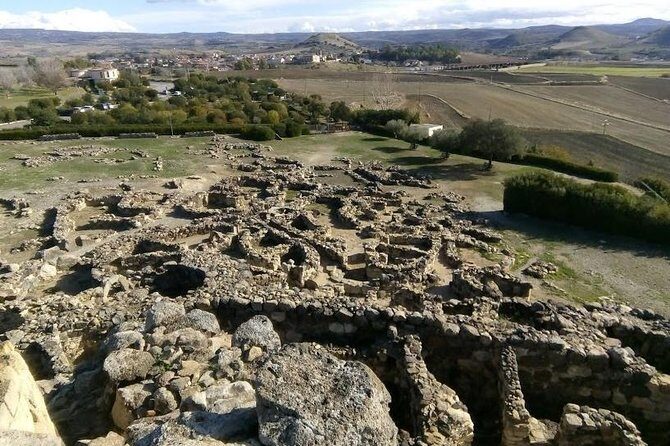
The main stop is Su Nuraxi di Barumini, a site with a big reputation for a reason. Long ago—about 3,500 years—the Nuragic people built a Nuraghe with a small village of huts on the hill. What I like about this place is that it shows Nuraghi as more than lone towers. They’re described as being halfway between defensive and civil structures, which helps you picture a society that both protected itself and lived day to day nearby.
Here’s the historical context your guide should give you (and you’ll want to listen for it): the Nuragic civilization is linked to megalithic civilizations around the Mediterranean. It also had an important role in the spread of Mycenaean culture, and later the influence of Phoenician culture. Some aspects remain unclear—almost unintelligible—especially when you compare it to classical Greek culture, which the guide may use as a contrast point.
Now for the practical part: Su Nuraxi is the most famous structure here and one of the most complete and best preserved examples of a Nuraghe complex. Since 1997, it’s on the UNESCO World Heritage List. That doesn’t just mean “important.” It means the site is worth your attention because it still offers clear physical evidence of how these complexes were built and used.
How to approach the visit:
Go in ready to look at structure, not just shape. Nuraghi can look mysterious at first glance. Ask your guide to point out what makes Su Nuraxi “complete” compared with simpler sites. That’s where your understanding clicks.
A small caution: archaeological sites move fast when you’re on a schedule. Comfortable shoes help, and you’ll want to keep your phone charged enough to record notes, not just photos.
Casa Zapata Museum: Where Ruins Turn Into Stories
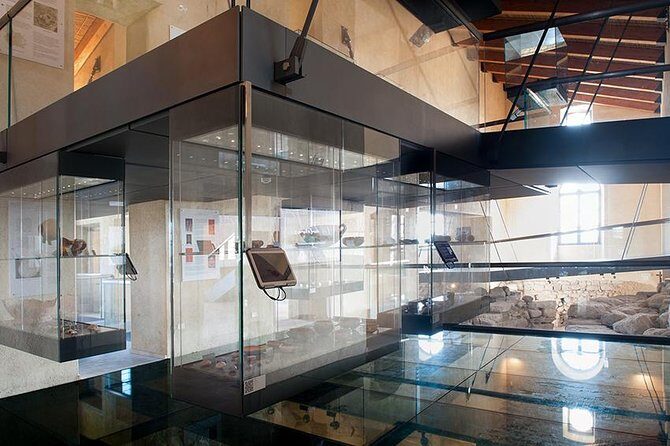
Right after or alongside your Su Nuraxi time, you’ll visit Casa Zapata Museum, and I think this is the tour’s secret sauce.
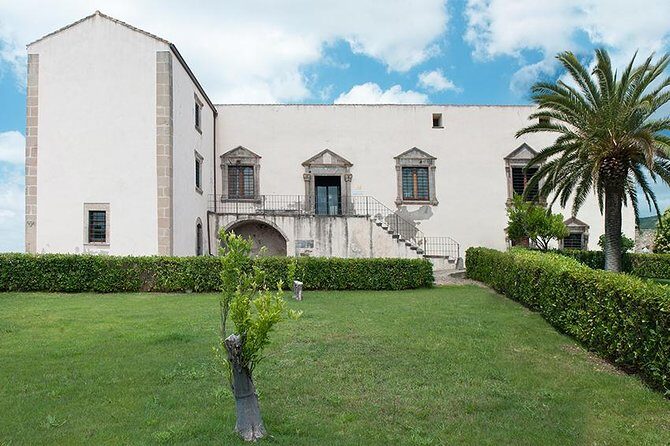
Casa Zapata has been open since 2006, and it’s organized into three clear sections: archaeological, historical, and ethnographic. That structure matters because it prevents the museum from turning into a random pile of objects. You get a sense of what was found, how those pieces fit into larger historical patterns, and how people related to their world.
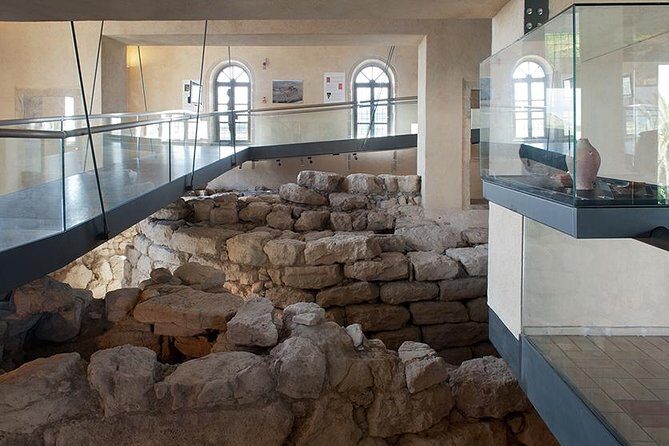
Then there’s the setting, which is unusual enough to be a lesson on its own. The museum’s “peculiarity” is that it’s housed in a 17th-century building that lies on the ruins of a Nuragic complex called Nuraxi e Cresia. So while you’re inside, you’re also standing on layers of the past. That makes the visit feel less like you’re traveling to a museum and more like you’re watching archaeology and architecture overlap.
The museum also has a mission tied directly to what was excavated. Excavations at Su Nuraxi were carried out in the 50s by professor Giovanni Lilliu, and over time the discoveries created a growing need for a place to keep and interpret the materials. Casa Zapata exists for that job: keeping, promoting, and enhancing those assets.
How to get the most out of it:
Give yourself permission to slow down for the objects that connect the three museum sections. If you catch the story of how artifacts were preserved because of Lilliu’s excavations, you’ll start understanding why Casa Zapata feels more purposeful than many “look, but don’t touch” museums.
If you tend to like museums that explain context—not just display—this stop is a strong match.
The Small-Group Minivan Advantage (and Why It Matters)
This tour uses a shared transfer in an air-conditioned minivan, with pick-up and drop-off from central Cagliari at Piazza Yenne. No hotel pickup is part of the deal, so you’ll want to arrive at the meeting point on your own.
The small group size (max 8) is a real practical upgrade. Fewer people usually means:
- the guide can pace explanations to the group,
- questions don’t get swallowed by crowd noise,
- and you’re less likely to feel herded.
It also helps you enjoy the day instead of spending it in logistics mode. In other words: your brain stays on “Sardinia” instead of “Where do we go next?”
On hot days, the minivan is more than comfort. It keeps you functional. When you’re heading from Cagliari to Barumini in summer heat, you want to arrive with energy for walking and reading the site.
Price and Value: What You’re Paying For
The price is $118.29 per person for a tour of about 4 hours. On paper, that might sound like a bit for a half-day. But in practice, it adds up because several key parts are included:
- Local guide
- Round-trip shared transfer from central Cagliari
- Transport by air-conditioned minivan
- Admission to Casa Zapata Museum (and site access tied to the excursion)
So you’re not only paying for transportation. You’re paying for interpretation—plus you’re not paying extra for admission on your own.
What you should factor in yourself: meals and drinks. Since meals aren’t included, bring at least water and a simple snack if you get hungry easily. That’s a small add-on cost, but it keeps the day comfortable.
Also, you’re paying for a specific kind of experience. This isn’t a general scenic drive. It’s built around Su Nuraxi (UNESCO) and Casa Zapata (context-focused museum). If those two stops matter to you, the value is clearer.





What This Tour Is Best For (and Who Might Skip)
I’d put this tour in the “culture first” category. If you want Sardinia beyond beaches and quick ruin photos, it’s a great fit. The Nuragic world isn’t as commonly visited as the Greek-and-Roman sites, and the guide’s job is to make that older, more mysterious culture feel graspable.
You’ll likely enjoy it if you:
- like archaeological sites with strong UNESCO credentials,
- enjoy museums that explain the why, not just the what,
- want a small-group day trip without complex planning.
You might skip it if you:
- only want the most famous Roman/Greek stops,
- need long leisure time for museums,
- or hate schedules when meals aren’t included.
Practical Tips Before You Go
These are the details that make the day smoother.
Start point matters. You meet at Piazza Yenne in Cagliari and return there. Plan to arrive a few minutes early, especially since there’s no hotel pickup.
Wear for walking. You’ll be at an outdoor archaeological complex. Comfortable shoes help.
Bring water. Meals and drinks aren’t included, and July-August heat is not the time to gamble.
Weather can affect the plan. The experience requires good weather. If it’s canceled due to poor weather, you’ll be offered another date or a full refund.
Keep expectations realistic. You’re visiting a major UNESCO site and a museum in a half-day window. You won’t cover every corner of the region. That’s not a flaw; it’s the format. If you want to go deep on one site, this tour gives you a strong guided base.
Should You Book Barumini Su Nuraxi and Casa Zapata?
Yes, if you want an efficient, guided introduction to Sardinia’s Nuragic past—especially the UNESCO Su Nuraxi complex plus the Casa Zapata Museum, where the finds and the setting work together. The included guide, admission, and transport make it a solid value for people who don’t want to plan logistics or buy separate tickets.
Book it if you’re happy with a focused morning-to-early-afternoon (about 4 hours) outing and you can manage the “meals aren’t included” piece with your own snack plan. Skip it if you’re only looking for big-city style museums or you’re chasing a long, unstructured day.
FAQ
Where does the tour start in Cagliari?
The tour starts at Piazza Yenne (09124 Cagliari, CA), Italy, and ends back at the same meeting point.
What time does the tour begin?
The start time is listed as 9:30 am.
Is admission to Casa Zapata Museum included?
Yes. Admission tickets and the guide are included in the excursion price, and the Casa Zapata Museum admission is part of the tour.
Do I need to arrange transport to Barumini?
No. You get round-trip shared transfer using an air-conditioned minivan from central Cagliari.
Is there a meal stop or lunch included?
No. Meals are not included.
How large is the group?
The tour has a maximum of 8 travelers, so it stays relatively small.
What happens if the weather is bad?
The experience requires good weather. If it’s canceled due to poor weather, you’ll be offered a different date or a full refund.