REVIEW · SARDINIA
Diving baptism with cylinders (Introdive) at the Capo Carbonara Marine Protected Area
Book on Viator →Operated by SubAquaDive Service · Bookable on Viator
First-time scuba in Sardinia can feel intimidating, until you’re actually there at 5 meters under the surface in Capo Carbonara. This is a short, guided scuba baptism with cylinders focused on comfort, safety, and getting you calm fast—so the sea can do the talking with fish and color right at the start.
I especially like the free pickup door-to-door and the close 1:1 coaching from instructors who slow everything down for your first time. One thing to consider: photos and video are not included, so if you want underwater images, plan on using your own camera or phones.
In This Review
- Key things I’d plan around
- Scuba Baptism at Capo Carbonara: what you’re really buying
- Getting There Without Stress: pickup, meeting point, and timing
- Gear Up and Get Calm: what your first steps look like
- Your First 5 Meters: why the depth choice is smart for beginners
- Getting to the water: boat transfer and the Capo Carbonara setting
- Safety and attention: small groups, 1:1 help, and nervous-first-timer friendliness
- Value check: price vs what’s included (and what you’ll pay for yourself)
- Who should book this scuba baptism and who should check first
- A few practical tips before you go
- Should you book this intro scuba session?
Key things I’d plan around
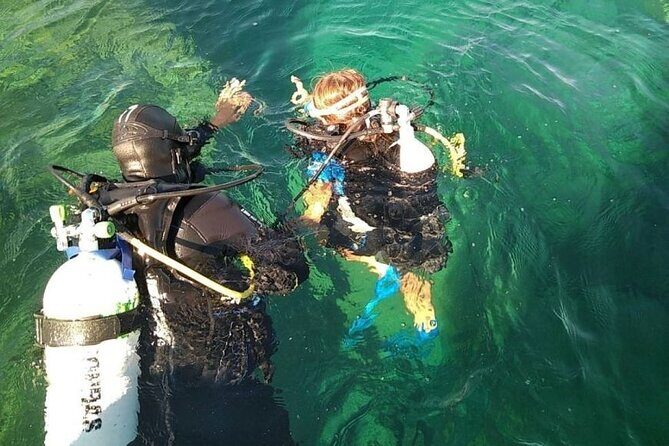
- First session starts at 5 meters so you get a real scuba feel without going too far
- Free round-trip pickup from your accommodation saves time and stress
- Equipment included means you can travel lighter and focus on the experience
- Snacks and bottled water included for an easy, no-hassle day
- Small group cap (up to 20) helps keep attention on newcomers
Scuba Baptism at Capo Carbonara: what you’re really buying
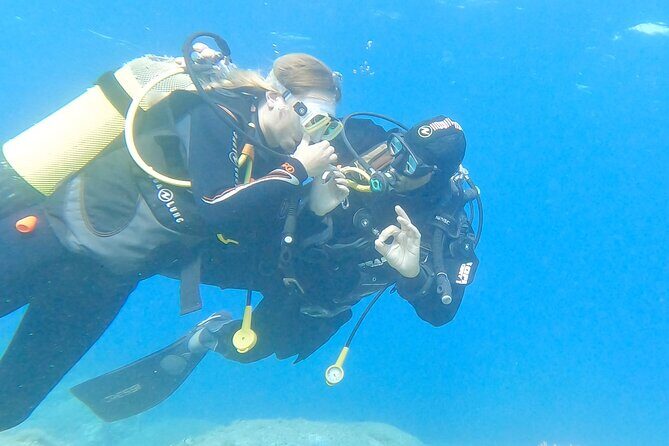
This experience is built for beginners. You’re not signing up for a long training course or a heavy technical program. You’re paying for a first underwater introduction—gear, coaching, and a very manageable first entry at 5 meters in the Capo Carbonara Marine Protected Area.
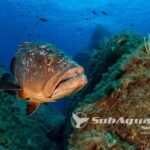
That “marine protected” part matters. It usually means the water is taken seriously and the area is managed for wildlife and habitat. In plain terms, you get a strong chance of seeing marine life close by, without the chaos of random sightseeing boats. The goal here is that early wow moment, but also that you leave feeling capable, not rattled.
You’ll also notice the activity is short on paper (about 5 to 15 minutes). That doesn’t mean you’re rushed; it means the underwater time is intentionally limited for an intro session. Your real success metric is how well you get comfortable with breathing, buoyancy basics, and instructor signals.
Other Villasimius and Capo Carbonara tours in Sardinia


Getting There Without Stress: pickup, meeting point, and timing
What makes this day easier than many similar experiences is the free pickup service from your accommodation and back. When you’re trying something new—especially in saltwater—logistics can be the difference between calm and chaos. Pickup means you don’t have to figure out transport, parking, or how to find the scuba center when you’re already a little nervous.
The meeting point is Via Degli Oleandri, 8, 09049 Notteri CA, Italy, and the activity ends back at that same point. If you’re not using pickup, you’ll want to plan to arrive there on time, because your schedule is tied to the water window.
The experience runs within 8:30 AM to 2:30 PM, Monday through Sunday. If you like the early light and want less daytime crowds, morning slots usually make sense. If you prefer a slower start, you still have options before midday.
Gear Up and Get Calm: what your first steps look like
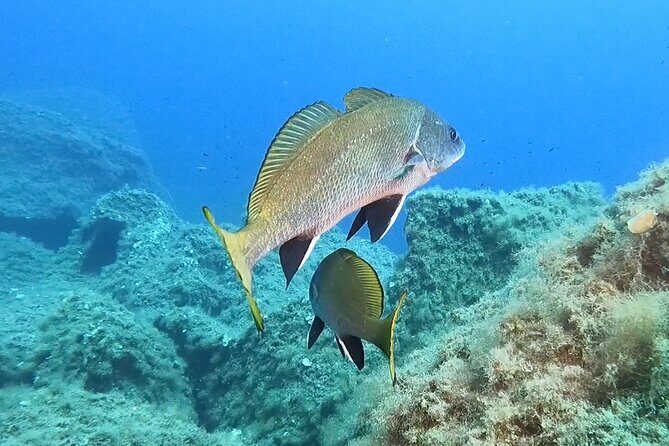
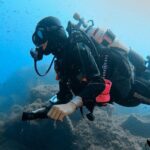
You’ll use scuba equipment provided for you. That’s a big value point, because it removes one of the most annoying parts of first-time scuba: renting gear, worrying about fit, and trying to learn unfamiliar equipment on your own.
The staff focus heavily on getting you at ease first, then teaching you what you need for that first water moment. In the feedback I’m drawing from, instructors are praised for step-by-step guidance—things like help with getting the equipment on correctly and learning the basic underwater communication used during the session.
You’ll also see a pattern in the way people describe the atmosphere: friendly, professional, and patient. People remember the instructors by name—Luana and Alberto, Giulia, Tio, Francesco, Mafalda, Daniela, Paula, and Luca—because the guidance is personal. One family specifically highlighted the calm confidence the instructors brought to a young first-timer, which tells me the staff style is suited to nervous beginners.
If you’re anxious, treat that as normal. Ask questions before you get in, tell your guide you’d like slower explanations, and keep your focus on the next step instead of the whole plan at once.
Your First 5 Meters: why the depth choice is smart for beginners
The overview is clear: your first session happens at 5 meters. That depth is common for intro experiences because it gives you enough underwater time to learn real scuba sensations without the extra strain that comes with going deeper.
At 5 meters, you’ll still feel the water pressure changes and the “new normal” of breathing through your regulator. But it’s close enough that instructors can keep things simple and manageable. The coaching you get here is usually what determines whether you leave thinking I want more, or that was stressful.
Because the session is short (again, about 5 to 15 minutes underwater), you’ll get a concentrated burst of experience. For many people, that’s perfect. You get the core experience, not a long slog.
Getting to the water: boat transfer and the Capo Carbonara setting
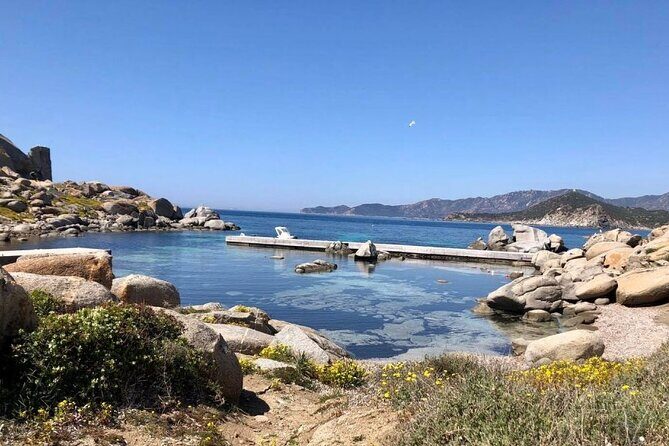
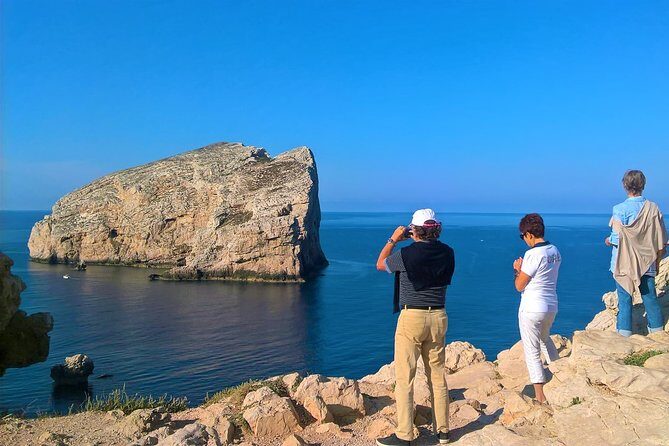
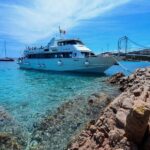
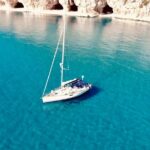
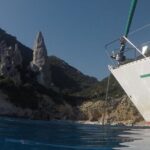
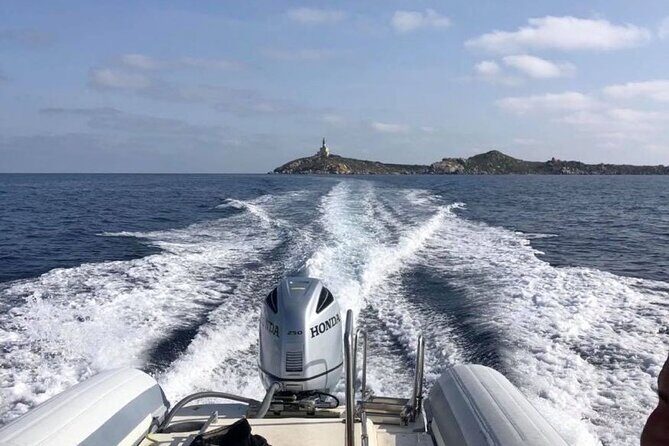
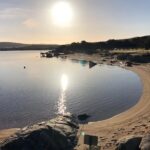
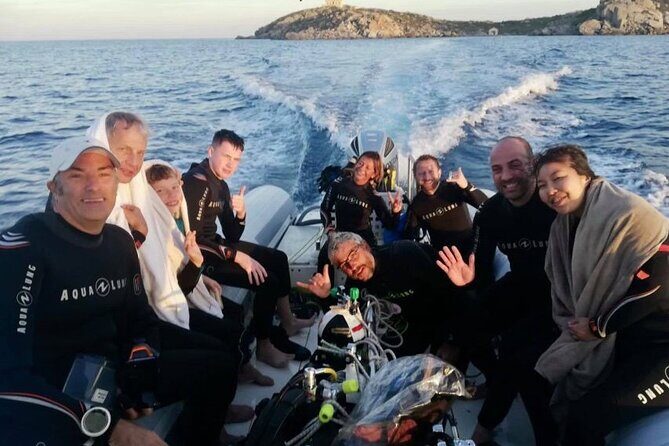
Capo Carbonara is a real coastline setting, and the experience typically involves getting to the right spot for the intro session. One description mentions a transfer by small inflatable boat (gommone) toward Isola dei Cavoli. That gives you a clue about what the day can feel like: a short ride, then a controlled entry in a guided area.
Even if the exact exact route varies by conditions, the point stays the same: you’re not just hopping into any random stretch of sea. This is planned for the intro session and the marine area.
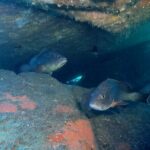
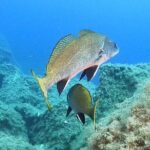
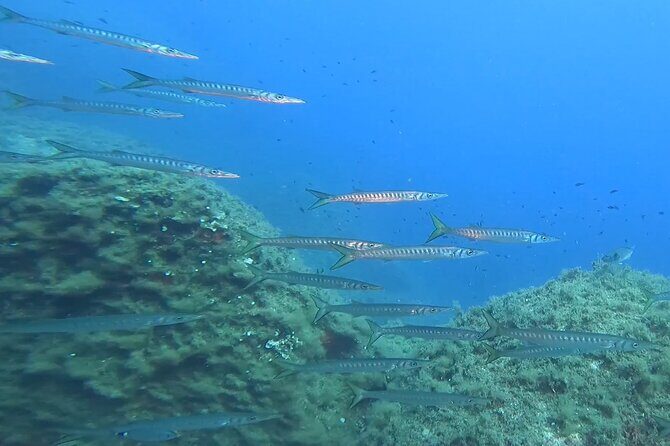
What you can realistically expect is marine life and color close to you. Intro sessions don’t aim for “every species in the region.” They aim for that first moment when you stop thinking about your breathing and start noticing what’s around you—fish movement, rock shapes, and the way light changes underwater.
Other scuba diving tours in Sardinia
Safety and attention: small groups, 1:1 help, and nervous-first-timer friendliness
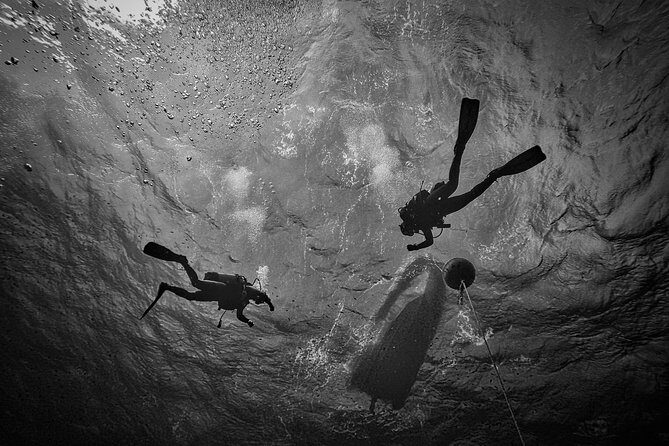
This activity has a maximum of 20 travelers, which keeps it from turning into a production line. For beginners, that matters because you want time for your instructor to adjust fit, explain signals, and check in—without feeling like you’re one of many interchangeable bodies.
People describe the support as very hands-on—often 1:1 assistance during the session. That kind of attention is what helps beginners gain confidence quickly: equipment adjustments happen sooner, explanations can be repeated in a way you understand, and the instructor can watch your comfort level continuously.
If you’re the type who gets anxious when you can’t control the environment, this is a good sign. A calm instructor can be the difference between freezing and learning. The names and descriptions I’m seeing suggest the staff treat first-timers with patience, not judgment.
Value check: price vs what’s included (and what you’ll pay for yourself)
The listed price is $97.44 per person. For that, you get:
- Use of scuba equipment
- Snacks and bottled water
- Free pickup from your accommodation and back
What you don’t get:
- Photos and video
That “no photos/video” piece is the one practical drawback I’d plan for. Underwater cameras are tricky. If you don’t want to fuss with your own setup, then this might feel like you’re leaving with only memories (which can still be great), not a ready-to-share photo set.
Still, you should feel good about value if you’re new and want a guided intro without paying extra for equipment rentals, entry fees, or snacks. You’re paying for instructor time and the safety framework, not for a long day of activities.
Who should book this scuba baptism and who should check first
This is a strong fit for:
- First-time scuba learners who want a short, supported introduction
- People who want hand-on guidance and patience while learning basic underwater communication
- Families who want a “first success” experience (there are examples of young participants with supportive instruction)
You might want to check before booking if:
- You require photos/video as part of the experience (not included)
- You’re looking for a long underwater session (the underwater time is brief, around 5 to 15 minutes)
- You have tight mobility schedules—pickup is included, but the activity still involves being in and out of the water with scuba gear
On the plus side, the data says most travelers can participate, and service animals are allowed.
A few practical tips before you go
You’ll have a smoother first session if you do three things:
- Tell your instructor upfront if you’re nervous or unsure about any step. The team style here seems to respond well to that.
- Keep expectations realistic: the first underwater moment is about comfort and learning, not chasing long, perfect underwater scenes.
- If you care about pictures, decide in advance how you’ll handle them. With no photo/video included, you’ll want your own plan.
Also, wear gear that’s easy to manage. You’ll be changing before and after the water time, and you don’t want clothing that makes that part annoying.
Should you book this intro scuba session?
I think it’s an easy yes if you want a beginner-friendly scuba baptism with real instructor support, free pickup, and a manageable first experience at 5 meters in Capo Carbonara. The small-group size and repeated focus on 1:1 help make it feel like the staff are there for you, not just moving the group along.
I’d hesitate only if you’re mainly chasing photos/video as a must-have souvenir. In that case, you’ll need to plan for your own camera strategy.
If you’re ready to try something new and want the “first wow moment” without turning it into a complicated project, this is a solid Sardinia choice.