REVIEW · SARDINIA
Double dive in the Capo Carbonara Marine Protected Area, for patents.
Book on Viator →Operated by SubAquaDive Service · Bookable on Viator
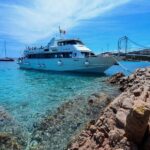
Capo Carbonara turns the sea into a classroom. This double-session scuba outing in Sardinia runs either in the morning (about 8:00–13:00) or afternoon (about 15:00–19:00), and your ticket already covers Capo Carbonara Marine Protected Area fees plus a boat pass—so you’re paying for the experience, not just paperwork.
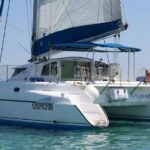
I also love the small-group feel, with a maximum of 12 people, plus the onboard breaks between the two water sessions with snacks and drinks. It’s the kind of setup where you’re not lost in a crowd, and the guide can actually manage the group.
One drawback to plan for: scuba equipment isn’t included in the base price. If you need rentals, factor in extra cost and time to get fitted properly before you step on the boat. Also, if you’re brand-new to scuba, ask for clear expectations about training and depth before the first session.
In This Review
- Key things to know before you go
- Why Capo Carbonara is worth the boat plan
- Morning vs afternoon: how the 4-hour block really works
- The two underwater sessions: Capo Carbonara with real site variety
- Session one: Area Marina Protetta Capo Carbonara (Isola dei Cavoli area)
- Session two: a canyon-style site with swim-through structure
- What depth and timing should you expect?
- Guides and pace: the human difference that changes everything
- One important caution: briefing quality can vary
- Nitrox (free for those who qualify): how to plan smart
- Equipment and fit: what you get, what you bring, and what to double-check
- Price and value: is $162.03 actually fair?
- Logistics that make a difference: pickup, group size, and language
- Who should book this outing, and who should ask extra questions
- Should you book the double-session Capo Carbonara outing?
- FAQ
- How long is the outing?
- Where does the activity start and end?
- Is pickup available?
- What is included in the price?
- Is scuba equipment included?
- Is nitrox included?
- How many people are on the trip?
- Is it offered in English?
Key things to know before you go
- Morning or afternoon timing: two water sessions packed into one ~4-hour outing.
- Nitrox for certified/patented scuba students: free nitrox mix is included for those who qualify.
- Capo Carbonara fees are included: you pay for the marine-protected access, not extra add-ons.
- Guides you can trust with the details: from calm, slow pace guidance (Roberto) to clear explanations in English.
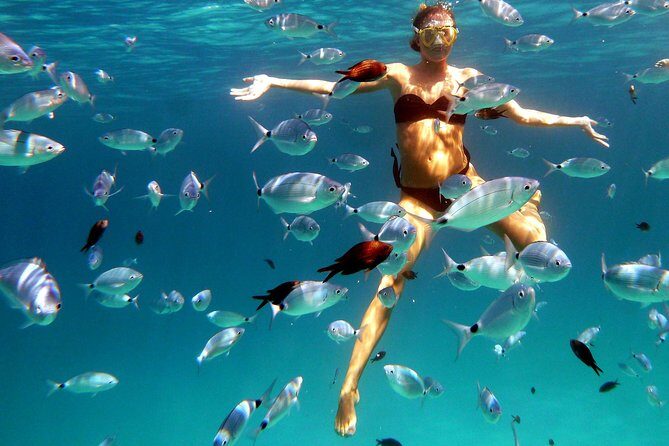
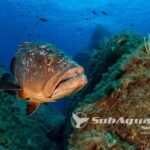
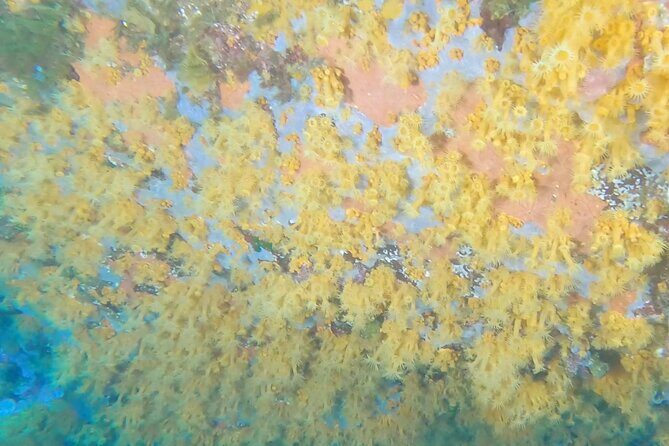
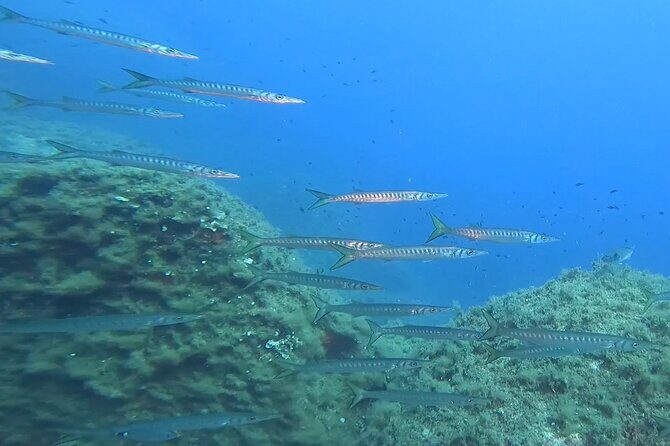
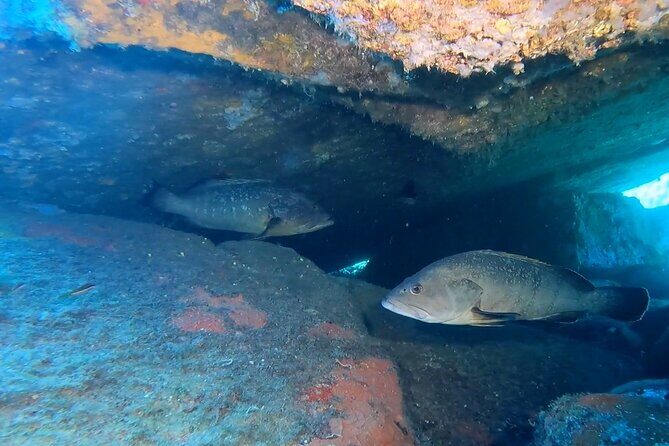
- Marine life focus: expect schools of barracuda, big groupers, and smaller critters like nudibranchs.
- Easy onboard comforts: snacks and drinks between sessions, and time to get gear set before you enter the water.
Why Capo Carbonara is worth the boat plan
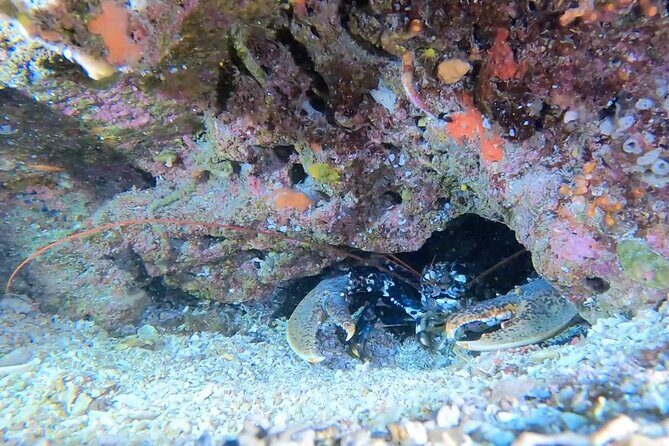
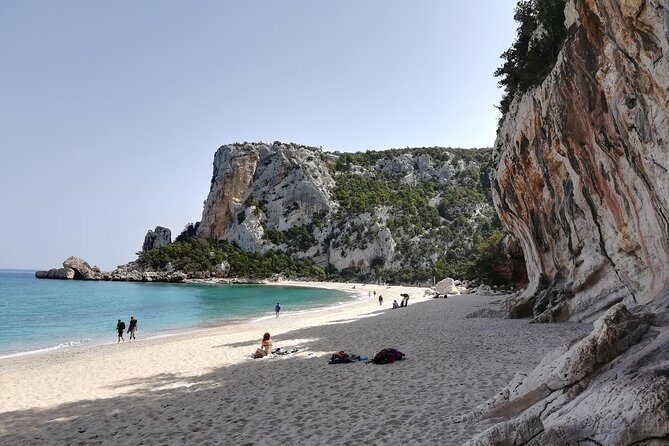
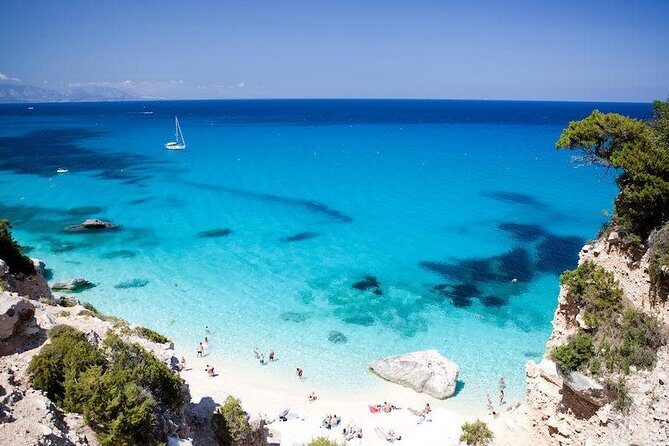
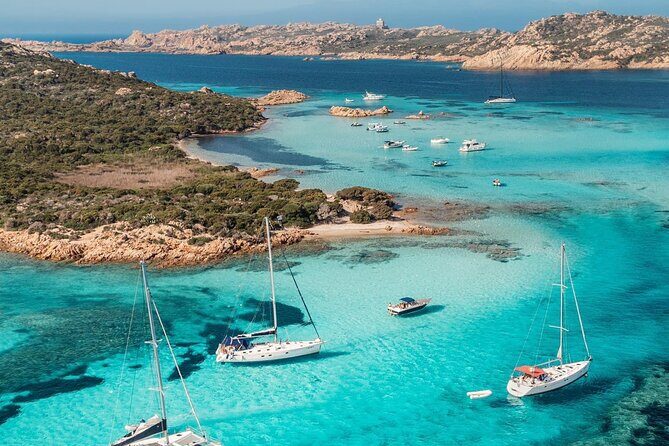
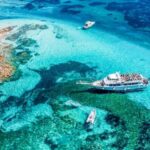
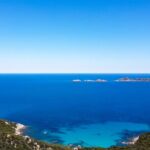
Capo Carbonara’s main draw is simple: it’s a protected area that stays full of life. When the conditions cooperate, you get wildlife right where you want to be—off the coast around Isola dei Cavoli—with a mix of larger fish (schools and big bodies) and smaller, colorful sea creatures that reward slow looking.
One of the best parts of this outing is that it’s designed around that marine-protected zone. You’re not just taking a random boat ride and hoping for luck. The ticket includes the boat pass and the marine-protected area fees, which matters because those costs go directly to keeping access and management in place. The result is that the day feels purpose-built for being on-water and focused on what’s living around the sites.
You also get a useful clue about depth expectations from how the area’s wildlife behaves: a lot of the best life tends to be in shallower zones (around the 18 m range), where you’ll often find more to look at than you would in deeper, barren water. And yes, conditions can vary by season—one example given for October had water around 21°C at the bottom, which is warm for some people and chilly for others depending on exposure and suit setup.
Other Villasimius and Capo Carbonara tours in Sardinia
Morning vs afternoon: how the 4-hour block really works
You choose the timing: morning (about 8:00–13:00) or afternoon (about 15:00–19:00). That choice is more than convenience. It changes the feel of the day.
In the morning option, you usually get the “fresh start” rhythm—people tend to be less tired, and you can pair the scuba sessions with lunch and an easier afternoon in Villasimius. In the afternoon option, you’re often trading that early-day energy for a slightly more relaxed schedule—useful if you want time for a beach walk, a late gelato, or simply to avoid rushing.
Between the two underwater sessions, you get onboard breaks with snacks and drinks. In practice, that means you’re not shoved from one point to the next with nothing in between. You get time to adjust kit, check buoyancy and trim, and regroup with your guide before the second site.
And because the group cap is 12, you’ll typically spend less time waiting around and more time focused on your role in the water—good for both first-time nerves and experienced comfort.
The two underwater sessions: Capo Carbonara with real site variety
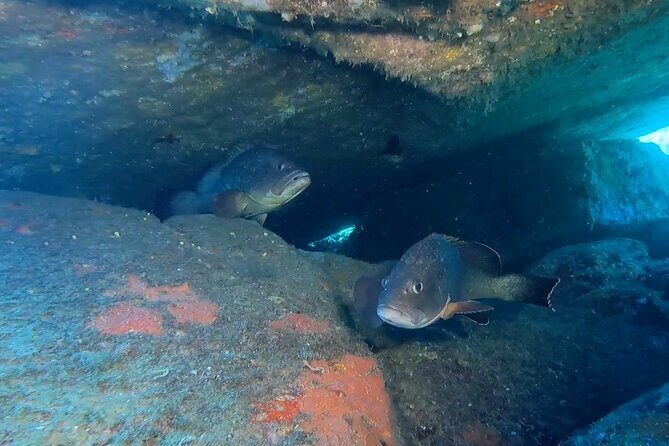
Your experience centers on the Capo Carbonara Marine Protected Area, but the “double” format means you’re not repeating the exact same environment twice. You typically get two different underwater sites in the same outing.
Session one: Area Marina Protetta Capo Carbonara (Isola dei Cavoli area)
A common first-site highlight is around Isola dei Cavoli, with one location described as a rock formation nicknamed Nave (the boat). That kind of site name matters because it hints at structure—something you can navigate slowly, look at from multiple angles, and watch fish use as cover or a route.
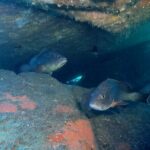
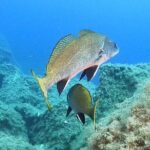
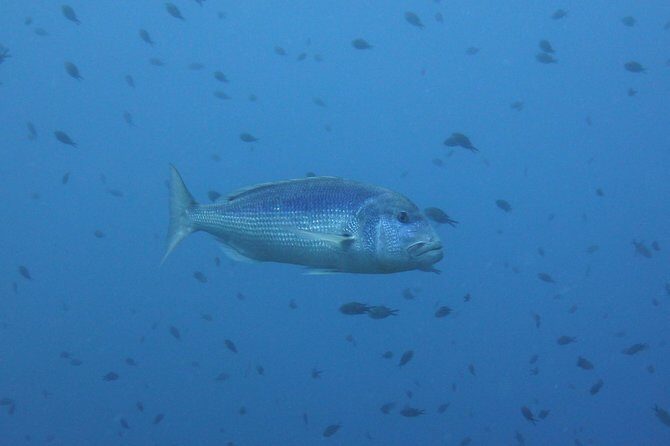
This is also the moment when the big-school fish energy tends to show up. You can be in the right place at the right time for schools of barracuda, along with other species like groupers and parrotfish.
Session two: a canyon-style site with swim-through structure
The second site is often more about shape and variety. One described option is a canyon-style location featuring a swim-through arch—the sort of feature that makes you slow down and actually enjoy the underwater “architecture.” It’s also where delicate, small life becomes easier to spot when you’re cruising gently rather than rushing.
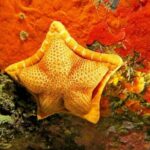
This is where reports include nudibranchs in bright colors and very fine-looking white creatures that can look almost lace-like on rocks. If you’re the type who loves macro-ish detail, you’ll probably enjoy this second session more than you expect, because the guide’s job isn’t just to lead you to fish—it’s to point out the small stuff you’d otherwise miss.
Other scuba diving tours in Sardinia
What depth and timing should you expect?
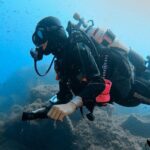
Exact maximum depths and durations aren’t listed in the core tour info. What you can do is treat this as a guided plan that adapts to conditions and group profile. If you want specific numbers, ask your guide before entering the water and confirm your hand signals and what the plan is for the day’s profile.
Guides and pace: the human difference that changes everything
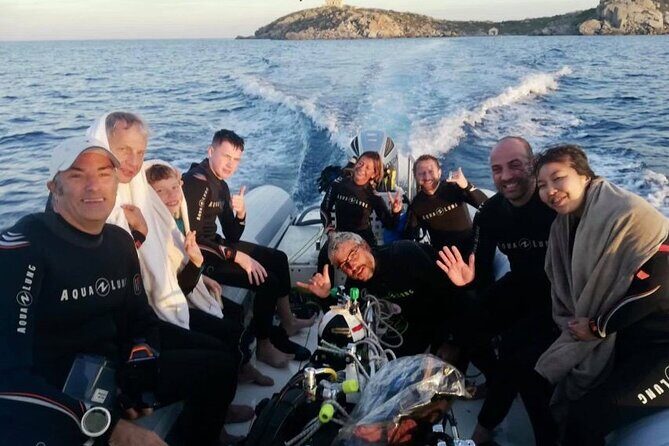
Good instruction isn’t just about safety. It’s about whether you feel calm enough to actually look.
The strongest pattern in the positive experiences is pace. A calm, slow rhythm makes a huge difference in a place like Capo Carbonara, where small movements and careful scanning are what uncover the nudibranchs, fireworms, and the delicate white life on rocks.
Roberto is one guide name that comes up with a clear style: slow and calm, patient explanations, and a habit of taking time with the group rather than rushing to the next checkmark. If your goal is to leave with photos and memories (not just a checkbox), that pacing tends to deliver.
Another named staff member is Patrizia, noted for warmth and for setting the tone right from pickup—talking about what the dives/sessions will feel like, local sea conditions, and even her life as a diver. That kind of “arrive, get oriented, then go” flow helps people feel ready before they’re out on the boat.
Alberto also shows up in descriptions of a highly professional, passionate operation, with one account even mentioning a local marine biologist leading some sessions. That can be a big plus if you like learning what you’re seeing, not just spotting it.
One important caution: briefing quality can vary
Not every account is perfect. One negative experience described a lack of a full briefing and little interaction after the water session. That doesn’t mean the operation is always like that, but it does point to a practical move you can make:
Before the first water session, ask for a quick, plain-English rundown:
- how deep you expect to go (rough range is fine),
- what the key points of the site are,
- and what your team signals and plan are.
If that information isn’t clear, speak up. Your comfort matters as much as the itinerary.
Nitrox (free for those who qualify): how to plan smart
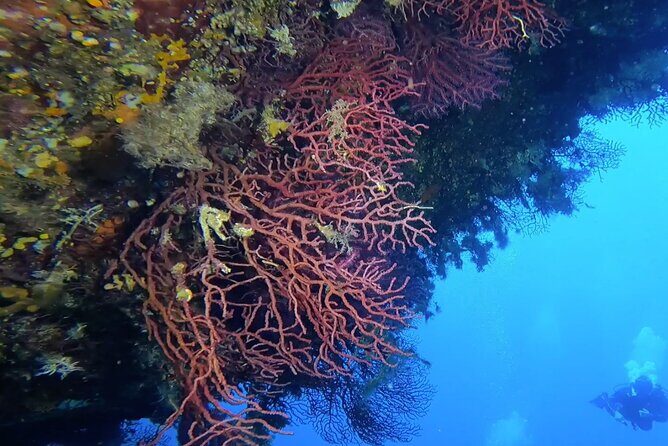
Nitrox is included, but only for patented/certified scuba students (the tour states free nitrox mix for patented). That’s a real value item because nitrox can help many divers manage no-decompression limits more comfortably, depending on their certification, computer settings, and dive plan.
If you aren’t nitrox certified, don’t assume you’ll automatically get it. Ask ahead what gas you’ll use. The tour info only guarantees nitrox for those who are eligible.
If you are nitrox qualified, you can also treat this as a chance to make your day smoother. One detail worth noting: some sessions in this area are often fairly shallow where wildlife is concentrated, so nitrox can still be useful, but your biggest advantage is usually the calm guidance and good site selection—less rushing, more time to observe.
Equipment and fit: what you get, what you bring, and what to double-check
Your base price covers the guide, marine-protected access fees, snacks and drinks, and boat pass. It does not include the use of scuba equipment. You can rent equipment at the center, and they advertise rentals in a wide range.
What I like seeing in the equipment-related feedback is that fit gets attention. Examples include very well-fitting boots and fins and wetsuit options sized to the diver. One described setup included a 5 mm suit plus a shortie layer and a hood to stay comfortable with a reported 21°C bottom temperature in October. That’s a good reminder: in colder months, comfort often comes down to layers, not just suit thickness.
A practical checklist for you:
- If you rent, plan to arrive early enough for a real fit check.
- Confirm what’s included with your suit package (for example, whether you’ll have a hood/extra layers).
- If you use a personal mask, bring it if you can. If you use rental gear, spend a minute checking it fits on land.
There’s also a gear-management advantage to this type of operation: equipment is often handled in a way that keeps you from doing the most exhausting parts of setup alone. One account described that equipment is loaded on the boat and you don’t have to unload it afterward. Still, you should always follow safe practice and do your own tank and setup checks.
Price and value: is $162.03 actually fair?
At $162.03 per person for an outing of about 4 hours, you’re not just paying for a guide and a place to sit on the boat. The included items matter:
- boat pass,
- marine protected area fees,
- qualified guide,
- nitrox mix for patented/certified scuba students,
- snacks and drinks on board.
The two big “not included” realities are:
- scuba equipment use isn’t included in the base price,
- the tour is guided, so your satisfaction will depend on briefing quality and your comfort level.
So when is this good value?
- If you’re certified/patented and you want nitrox included.
- If you want a guided experience focused on wildlife and structures (arches, canyon-type formations, rock features).
- If you’d otherwise pay separately for marine access and boat costs, this bundles those fees for you.
When might it cost you more than expected?
- If you need full rental gear, especially if you’re not sure about suit thickness or extra layers for the season.
The other value factor is time. You get two underwater sessions during one outing without needing to string together separate logistics. That’s usually the difference between an enjoyable day and a day spent coordinating.
Logistics that make a difference: pickup, group size, and language
Here’s what the operation says about practicalities, and why it matters:
- Pickup: free pickup service within 5 km of the diving/scuba center. That saves you time and hassle if you’re staying in Villasimius.
- Meeting point: 09049 Villasimius SU, Italy, with the activity ending back at the meeting point.
- Group size: maximum of 12 people, which helps with attention and organization.
- Language: offered in English.
- Tickets: mobile ticket is offered.
- Animals: service animals are allowed.
- Confirmation: you should receive confirmation within 48 hours of booking, subject to availability.
One more point I’d pay attention to: if you’re relying on a specific schedule for the rest of the day, the morning vs afternoon choice gives you control. It’s easier to plan meals, car timing, and beach time when you know the overall block.
Who should book this outing, and who should ask extra questions
This experience fits best if you want:
- a guided day in the Capo Carbonara Marine Protected Area,
- two different underwater sites in one outing,
- wildlife-focused time with a guide who takes care of the group at a calm pace,
- and (if you qualify) nitrox included.
You should ask extra questions if:
- you’re completely new to scuba and still building confidence around depth and comfort. In that case, clarify training steps and what happens if you feel uncomfortable underwater.
- you’re particular about briefings. If you want deeper site context (depth range, plan, expected features), ask before you get in the water.
The best sign is simple: you want a guide who can explain and reassure, not just a handoff. A good orientation can be the difference between “wow, I’m safe and excited” and “I’m worried and missing what’s in front of me.”
Should you book the double-session Capo Carbonara outing?
If you’re certified/patented and you want nitrox included, I think this is an easy “yes” for many people. The pricing feels more reasonable when you compare what’s included—marine protected access, boat pass, and onboard snacks—rather than treating it as a basic guide-only outing. And Capo Carbonara’s combination of larger fish schools and smaller critters makes it a strong match for a two-site format.
But don’t treat it like a set-it-and-forget-it plan. Before the first session, make sure you understand:
- what the guide expects of you,
- your gas/conditioning plan (especially if you’re nitrox certified),
- and what you should do if something feels off.
If you check those boxes, you’ll set yourself up to enjoy what the area is famous for: structured habitats, clear opportunities for wildlife spotting, and a calm pace that lets you actually experience the underwater world.
FAQ
How long is the outing?
It runs for about 4 hours.
Where does the activity start and end?
It starts at 09049 Villasimius SU, Italy, and ends back at the meeting point.
Is pickup available?
Yes. There is free pickup service within 5 km from the diving/scuba center.
What is included in the price?
The price includes the boat pass, marine protected area fees, qualified guide, nitrox mix for patented scuba students, and drinks and snacks on board.
Is scuba equipment included?
No. Use of scuba equipment is not included, but equipment rentals are available at the center.
Is nitrox included?
Free nitrox mix is included for patented/scuba students.
How many people are on the trip?
The maximum group size is 12 people.
Is it offered in English?
Yes, the tour/activity is offered in English.