REVIEW · SARDINIA
Legend of the Janas: Self-Guided Mythical Quest in Cagliari
Book on Viator →Bookable on Viator
Puzzles meet old stone in Cagliari. This self-guided mythical quest turns landmark-hopping into a story about a chef hunting inspiration, with each new clue pushing you to the next spot. I like the way the route is handed to you through phone directions, so you’re not stuck guessing streets.
My favorite part is the format: it’s open air, self-paced, and designed so you can keep moving without crowd stress. The price also feels sharp for what you get, since the stops list says free admission tickets aren’t required to complete the game.
One thing to consider: this style is more reading and logic than “show me” entertainment. If you’re the type who wants lots of video cues or fast answers, you may find the text-heavy puzzles a bit slow and easy to abandon.
In This Review
- Key points before you start
- Porta Cristina is a smart way to open your Cagliari loop
- How the Questo app turns myths into step-by-step walking
- The 15-stop walk: from Santa Lucia ruins to the final plaza
- Price and value: $8.14 for a phone-guided mini-adventure
- Timing that works: 1.5 hours, real walking, real breaks
- Where this quest shines (and where it may frustrate you)
- Getting value out of each puzzle stop
- Who should book this Cagliari mythical quest
- Should you book Legend of the Janas?
- FAQ
- What is Legend of the Janas in Cagliari?
- How long does the quest take?
- Where do I start and end?
- Do I need tickets to enter the attractions?
- When can I play it?
- Can I pause and continue later?
- Is it just my group or are there others?
- Can I cancel and get a refund?
Key points before you start
- Chef-led story on your phone: the myth thread grows as you solve clues, not as a lecture.
- Exact directions at each step: follow prompts on your device to get from Porta Cristina to the finish.
- Free-entry style stops: you don’t need attraction tickets to make the experience work.
- Self-paced timing: you can linger at each location, then move on when you’re ready.
- Open-air, crowd-avoidance vibe: this is built for walking, outdoors, and your own rhythm.
- Small practical flex: group discounts, mobile ticket, and the option to share one phone (with best results if each person has a ticket).
Porta Cristina is a smart way to open your Cagliari loop
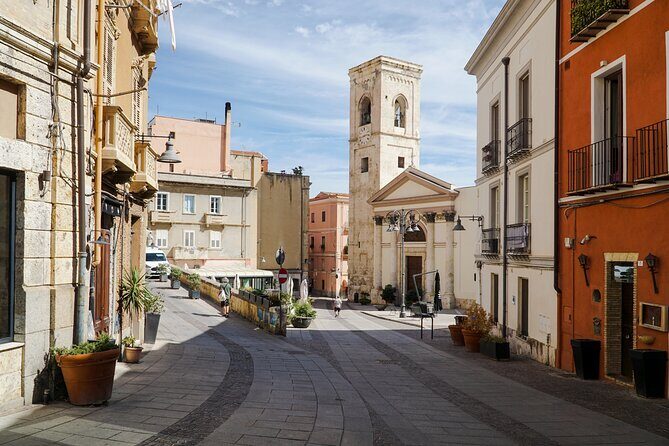
You start at Porta Cristina (Piazza Arsenale, 09123 Cagliari). It’s a good “first click” point because it’s tied to the city’s older core, which makes the first clues feel grounded instead of random.
From the start, you’re not hunting for a meetup guide. You download and play on your phone after booking, then follow the story prompts as you go. That’s a nice fit if you like your travel day to stay flexible and not feel like you’re glued to a clock.
Also, since this is a private activity, it’s only your group. That matters because you can move at a steady pace without being pulled along by different group energy levels.
Other Cagliari tours and city experiences in Sardinia


How the Questo app turns myths into step-by-step walking
The whole experience runs through the Questo app on your phone. After you book, you get an email with instructions to download and play—then you’re on your own to follow the next clue and location.
The setup is simple: each stop is reached by a clue plus a puzzle, and once you arrive, you can spend as much time as you want there before moving on. That “pause-linger-continue” structure is the biggest practical advantage of a self-guided quest like this.
You also get a story wrapper: the theme is a chef seeking inspiration, and the city’s energy and local myths become part of what you’re doing. Even if you’re not a “myths person,” the narrative helps you keep interest while you’re walking between landmarks.
And yes, it’s available 24/7, every day of the year, with opening hours listed as essentially all day. That means you can pick a time that fits your day—midday for light and energy, or later if the heat is annoying.
The 15-stop walk: from Santa Lucia ruins to the final plaza
Expect an overall route that takes about 1 hour 26 minutes to 1 hour 56 minutes, depending on how long you pause at each clue. The itinerary lists multiple “arrive, solve, linger, then continue” steps, and each location is time-friendly.
Here’s what you’ll hit in order, and why each stop feels useful:
Stop 1: Chiesa di Santa Lucia in Marina (ruderi)
This starts you at the ruins of Santa Lucia in Marina. Arrive via clue and puzzle, then take your time—ruins are the kind of place where you naturally slow down and look around.
Stop 2: Torre di San Pancrazio
Next comes the tower, again reached by clue and puzzle. Towers give you “orientation energy,” even if the game doesn’t turn into a big viewpoint hike.
Stop 3: Piazza dell’ Indipendenza
You shift into plaza mode. Plazas are great for regrouping, checking the next phone prompt, and resetting your pace before the next leg.
Stop 4: Palazzo Regio
This stop adds a grander, official-feeling building into the mix. It’s a different visual texture than towers and squares, which keeps the route from feeling repetitive.
Stop 5: Piazza Palazzo, 4a
A tighter address-style stop, which usually means you’ll be hunting closely for the puzzle location. These kinds of stops reward careful phone-guided navigation.
Stop 6: Via Stretta
Now you’re walking a narrow street. “Via Stretta” fits the name—expect a more intimate, close-up feel where you notice details and building edges more than big open views.
Stop 7: Torre dell’Elefante
Back to towers, and this one carries a strong visual identity. A stop like this works well in a self-guided quest because it’s easy to recognize once you’re near it.
Stop 8: IciBar – Sushi e aperitivi alla giapponese by Kobuta
This is a real-world commercial stop, not just stone and streets. It’s a clever break point for anyone who wants to grab a drink or food later, but you don’t have to buy anything to keep playing.
Stop 9: Piazza Yenne
Plaza again, which helps the route stay readable. These open spots are where the game can feel easiest to reset and re-focus before the next puzzle step.
Stop 10: Bastione di Saint Remy
A defensive structure stop adds a different vibe to the walk. Bastions are where you naturally think about the city’s layout and edges, even if the game keeps the focus on tasks.
Stop 11: La Scala di Ferro
This is a distinct feature stop: the iron staircase. When a route includes a named “thing you can picture,” it helps you keep orientation even if your brain is tired from reading prompts.
Stop 12: Church of Saint Eulalia
A church stop shifts the feel toward spirituality and architecture. It’s the kind of location where you’ll likely take a moment, even if the game is what keeps you moving.
Stop 13: Piazza Giacomo Matteotti
Another plaza finish-to-finish kind of step. By now, you’ll know how the game works—arrive, solve, and then decide how long to linger.
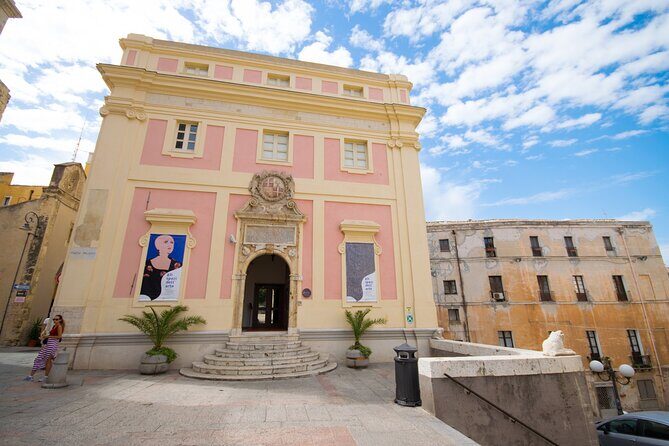
Stop 14: Palazzo Civico di Cagliari
This palace/civic building adds gravitas. It’s also a good “final stretch” stop before the route comes back around.
Stop 15: Chiesa di Santa Lucia in Marina (ruderi)
You return to the ruins again at the end. This works nicely as a loop structure: you start at Santa Lucia, wander out through towers, streets, plazas, and then come back to the same anchor point.
Price and value: $8.14 for a phone-guided mini-adventure
At $8.14 per person, you’re buying a self-guided outdoor quest rather than a guided walking tour. That’s often where the value lives: no guide fee, no required entry tickets listed, and you’re not paying for a reserved schedule.
Also, the experience is built for flexible timing: it’s available all day, and you can take breaks without losing the route. For short breaks, that matters more than people expect.
The free-admission setup (entry tickets not needed to complete the tour) makes the cost easier to justify. In other words, you can spend your money on your actual day in Cagliari, not on add-on ticket fees just to complete a route.
If you’re coming with a group, the group discount and mobile ticket format can add up. And even though one phone can be shared, the experience notes that buying an optimal ticket per user is best—so think of sharing as a backup, not the ideal plan.
Timing that works: 1.5 hours, real walking, real breaks

The itinerary’s listed durations per stop are short, but the experience overall ranges from about 1 hour 26 minutes to 1 hour 56 minutes. That range gives you room to read carefully, solve calmly, and still feel done before your next plan.
A self-guided quest is only “quick” if you’re willing to keep moving. If you stop to look closely at every stone and street corner, you’ll drift toward the longer end—and that’s not bad. The route is structured to let you linger without feeling like you’re falling behind.
The route also has built-in safety logic: it’s self-guided, open air, and designed to help you avoid crowd pressure. That’s helpful in a compact historic city where crowds can pop up near popular sights.
Practical note: bring a charged phone. The game relies on your phone for directions, and nothing ruins a puzzle rhythm faster than a dead screen.
Other guided tours in Sardinia





Where this quest shines (and where it may frustrate you)
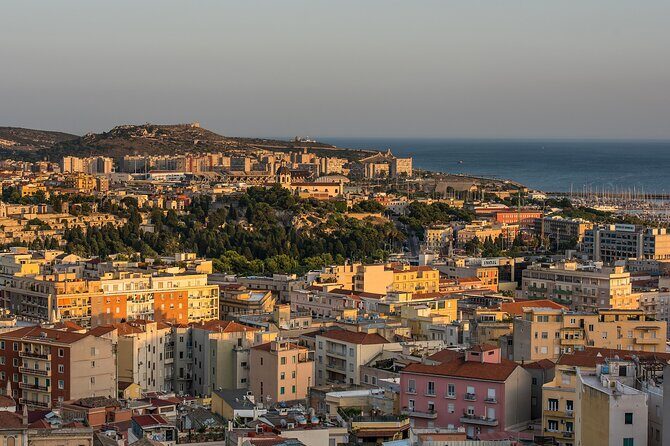
This is a strong choice if you want a treasure-hunt style day that mixes walking with problem-solving. You get a story wrapper (chef hunting inspiration), and the puzzle steps make you pay attention to details you’d otherwise speed past.
It’s also a good fit if you like doing things at your pace. You can start when you want, stop when you want, and continue right after—no awkward “we must all catch up” moment.
But here’s the watch-out: the experience leans on puzzles and instructions delivered through your phone, and one potential snag is that people who want quick, visual entertainment may feel the tasks too text-focused. If you’re not a big fan of reading prompts, keep your expectations flexible.
If any clue feels unclear, use the support channel. The experience includes 24/7 customer support, which is a real safety net when you’re stuck mid-route.
Getting value out of each puzzle stop
At each stop, you’re doing two things: (1) solving enough to unlock the next location, and (2) deciding how long to stay. Here’s how I’d play it to avoid wasted time.
First, don’t rush the clue. Many city-quest problems come from moving too fast and missing a detail. Treat it like a short scavenger hunt: slow enough to observe, fast enough to keep the story momentum.
Second, when you arrive, pause your thinking. Let your eyes do the work for a moment before you start tapping around the puzzle interface. Places like Torre dell’Elefante, La Scala di Ferro, and the Bastione di Saint Remy are visually distinctive, so your brain can lock on quickly.
Finally, keep your group logistics simple. The experience says multiple people can share a phone, but the best experience comes when each person has a ticket. If you’re sharing, agree on who holds the phone and whether one person solves while the other watches.
Who should book this Cagliari mythical quest
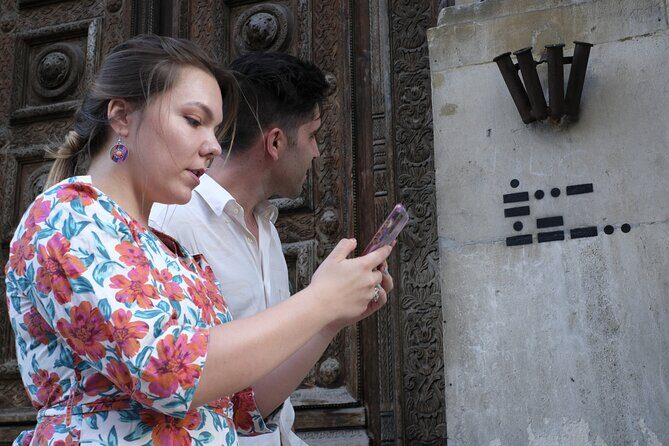
This fits best for people who enjoy light navigation, want to explore without a guide group, and like puzzle games mixed into real city walking.
I’d also point it toward couples, solo visitors, and small groups who don’t mind reading instructions and want an outdoor activity that can work any time of day. Since most listed entry points are outdoor or don’t require tickets, it’s a practical option even if you’re trying to keep a tight travel budget.
If your travel style is mostly “walk, see, photo, coffee,” you might still enjoy this—but you’ll likely want to treat puzzles as the main attraction. If you hate puzzles, or need a strictly spoken explanation, you’ll probably prefer a traditional guided tour.
Should you book Legend of the Janas?
Book it if you want a short, self-paced adventure that guides you through Cagliari using phone directions, with a story theme and no attraction-ticket pressure. The price is reasonable, the time is manageable, and the route hits a nice mix of towers, plazas, churches, and streets.
Skip or think twice if you’d rather not handle text-heavy challenges or you get cranky when a clue doesn’t immediately make sense. In that case, you may find it easier to choose a guide-led walk where the explanations are delivered out loud.
If you do book, I’d approach it like this: bring comfortable shoes, charge your phone, read slowly at each clue, and give yourself permission to linger at the landmark stops that actually catch your eye.
FAQ
What is Legend of the Janas in Cagliari?
It’s a self-guided mythical quest you play on your phone. You solve challenges to get directions to each stop, and the story unfolds as you move through Cagliari.
How long does the quest take?
The duration is listed as about 1 hour 26 minutes to 1 hour 56 minutes.
Where do I start and end?
Start at Porta Cristina (Piazza Arsenale, 09123 Cagliari CA). The experience finishes at Chiesa di Santa Lucia in Marina (ruderi), Via Sardegna, 37, 09124 Cagliari CA.
Do I need tickets to enter the attractions?
No. The listed admission for the stops is free, and the experience notes that entry tickets are not needed to complete the tour.
When can I play it?
It’s available 24/7, every day of the year. The opening hours are listed as Monday–Sunday from 12:00 AM to 11:30 PM.
Can I pause and continue later?
Yes. The experience is flexible, so you can start, take a break, and continue at your own pace.
Is it just my group or are there others?
It’s described as a private tour/activity, meaning only your group participates.
Can I cancel and get a refund?
Yes. You can cancel up to 24 hours in advance for a full refund. If you cancel less than 24 hours before the start time, the amount paid is not refunded.