REVIEW · SARDINIA
Menu’ Wine Tasting
Book on Viator →Operated by Azienda Agricola Leda' d'Ittiri · Bookable on Viator
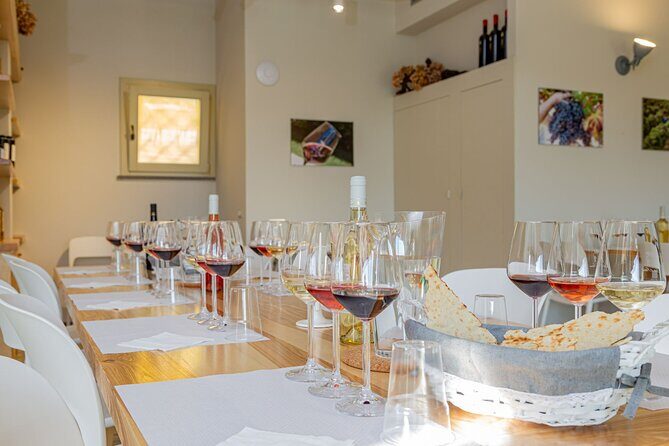
A short drive from Alghero, Sardinia’s wine feels refreshingly simple. This menu wine tasting is an hour in a rural vineyard setting, with three Sardinian labels and a snack plate built for the grapes on your table. I like the way the experience stays practical and un-rushed, and I love that you’re tasting wines tied to local varieties rather than generic “tourist wine.”
One thing to keep in mind: this is not a guided walk-through. You get tasting notes and time to explore at your own pace, and that style won’t suit everyone who expects a full, step-by-step explanation.
In This Review
- Key Highlights (Why This Tasting Works)
- Entering Leda’ d’Ittiri: Alghero’s Rural Stop, Not the Beach One
- Picking Your Menu: Classic vs Only Red vs Summer
- Classic Menu: Sardinia’s Typical Grapes, Three Styles
- Only Red Menu: A Focused Route Through Red Wines
- Summer Menu: White and Rosé When the Weather Calls
- The Vineyard Setting and the Non-Guided Format (Good and Bad)
- Your Snack Plate Is Part of the Wine Plan
- Transport, Timing, and the One-Hour Reality
- Group Size: Small Enough to Feel Personal
- What You’ll Learn Without a Formal Lecture
- Is It Worth Booking? My Decision Rule
- FAQ
- How long is the wine tasting?
- Do I need to download anything for the ticket?
- Is the menu wine tasting guided?
- What wines are included in the Classic menu?
- What wines are included in the Only Red menu?
- What wines are included in the Summer menu?
- Can kids or pets join?
- What if weather is bad or I need to cancel?
Key Highlights (Why This Tasting Works)
- Three tasting menus to match your wine mood: Classic, Only Red, or Summer (white/rosé)
- Territory-first grapes like Vermentino and Cagnulari, plus a rose from Isola dei Nuraghi
- Pairing snacks with pecorino, local sausage, bread, and olives built to go with the wines
- Self-paced format (menu tastings aren’t guided), so you can linger without a schedule
- Small group size (up to 20) and a setting in the vineyard area that feels calm
Entering Leda’ d’Ittiri: Alghero’s Rural Stop, Not the Beach One
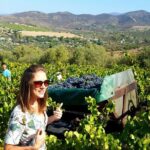
If your Alghero day plan is mostly sea views, this is the easy counterweight. The tasting happens at Azienda Agricola Leda’ d’Ittiri, tucked into the countryside rather than inside a busy city center. That’s a big part of the appeal: you’re swapping crowds for open air, vineyard views, and a slower pace.
The meeting point is clearly listed at Strada Vicinale Dopolavoro, 07041 Alghero SS, Italy, and the activity ends back where it starts. That loop matters because it keeps the hour straightforward. Just be aware that private transportation isn’t included, and the area has no public transport. If you’re coming from Alghero, plan on a rental car, taxi, or another arrangement you control.
Also note the rules that shape the experience: it’s adults only (18+), and pets aren’t allowed. The smaller-group setup (maximum 20) keeps the tasting area from feeling chaotic, which is exactly what you want when you’re drinking and chatting at a natural pace.
Other Sardinian wine tasting experiences in Sardinia

Picking Your Menu: Classic vs Only Red vs Summer
The menus are the heart of this tasting, and the good news is you can choose based on what you actually feel like drinking in the moment. Each option gives you three wines plus the same style of snack pairing.
Classic Menu: Sardinia’s Typical Grapes, Three Styles
The Classic menu is designed around the territory’s “usual suspects.” You’ll taste:
- Vi Marì, Vermentino di Sardegna DOC (white)
- Encant, IGT Isola dei Nuraghi (rosé)
- Cigala, Alghero Cagnulari DOC (red)
If you want variety—white, rosé, and red—this is the cleanest choice. It’s also the best way to see how Sardinia’s profile shifts by color: crisp and aromatic in the white, lighter and food-friendly in the rosé, and then richer and more serious when you hit the Cagnulari-based red.
Only Red Menu: A Focused Route Through Red Wines
If you already know you’re a red-wine person, the Only Red menu keeps things tighter. You’ll taste:
- Margallo’, IGT Isola dei Nuraghi Rosso
- Lo Vell, IGT Isola dei Nuraghi Rosso
- Cigala, Alghero Cagnulari DOC (red)
This option is great when you want a consistent flavor arc without switching to white and rosé. It also makes pairing with sausage and pecorino feel more cohesive, since reds tend to carry more structure and cling to the richer flavors longer.
Summer Menu: White and Rosé When the Weather Calls
The Summer menu leans into warmer-day drinking:
- Vi Marì, Vermentino di Sardegna DOC (white)
- Vent, Vermentino di Sardegna DOC (white)
- Encant, IGT Isola dei Nuraghi (rosato)
You’re essentially choosing a lighter tasting flight. It’s the right call if you want refreshment and food pairing without the heavier pull of a red-first itinerary. It can also be a smart choice if you’re combining this with other outdoor plans, like a beach afternoon, because white and rosé usually land easier on a hot day.
Other food & drink experiences in Sardinia

The Vineyard Setting and the Non-Guided Format (Good and Bad)
Here’s the big distinction that affects expectations: Menu tastings are not guided. That means you shouldn’t treat this like a long, lecture-style wine tour. Instead, the setup is closer to a wine bar in the garden feel—wine, snack, tasting materials, and time to decide what you want to ask and how fast you want to move.
In practice, that style has two sides.
The upside: you can sip at your pace. If you want to focus on comparing the three wines, you can. If you’d rather talk, take breaks, or spend extra time on one bottle, you can do that without feeling like you’re being rushed.
The downside: if what you want is a deep, step-by-step guided explanation, you might leave wishing for more structure. One booking comment clearly criticized the amount of company/product intro and felt the service wasn’t as educational as expected. The lesson for you is simple: read the format carefully and choose this for the tasting atmosphere, not for a guided narrative.
Still, staff are there for interaction. And even in more self-paced settings, people have highlighted helpful service when questions came up—so if you care about a specific grape, ask directly. You’ll get more out of it that way.
Your Snack Plate Is Part of the Wine Plan
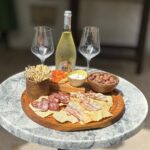
This is not just a “drink three glasses” stop. The tasting includes snacks: pecorino cheese, local sausage, bread, and olives (the pairing is included for the menu style you choose). That matters, because these foods don’t just fill space. They help you taste the wines with more clarity.
- Pecorino brings salt and tang, which can sharpen fruit notes in white and rosé.
- Local sausage adds richness, and it’s a strong match for reds that have some weight.
- Bread and olives keep things grounded and make it easier to reset between pours.
One practical tip: pacing helps. Don’t feel forced to finish everything immediately. With an hour total, you want to spread tastings and snacks so each wine has a chance to stand out.
Dietary issues can also be addressed, at least sometimes. One account described a gluten intolerance accommodation with a separate plate and gluten-free crackers, so it’s worth telling them ahead of time if you have restrictions. Don’t assume it’s automatic everywhere, but the fact that they handled it once suggests they can work with real needs.
Transport, Timing, and the One-Hour Reality
The experience runs about one hour, and it ends back at the meeting point. That compact timing is part of the value: you can fit it between sea time and dinner without turning the day into a project.
But because private transportation isn’t included and there’s no public transport in the area, your plan should start with logistics:
- Have a driver strategy if you’re coming by car.
- If you’re walking or cycling, know it’s rural and you’ll need safe return planning.
- If you book with a ride that waits, plan around that one-hour block.
Also: you’ll be drinking. One simple caution from real-world experience—your enjoyment is higher when you drive carefully and don’t treat the tasting like a light aperitivo. If you can, go with a plan that makes you relaxed, not stressed.
Group Size: Small Enough to Feel Personal
The group limit is 20 travelers max. That’s big enough to feel like a real experience, not just a private moment, but small enough that the space usually won’t turn into a bottleneck.
The non-guided format also helps here. With tasting materials and self-paced time, groups tend to spread out instead of stacking behind a single guide. That’s when a rural vineyard setting feels calm rather than crowded.
If you prefer a quiet, conversation-friendly stop—this is the style that tends to work best. If you want a strictly structured tour where every minute is explained, you may be happier choosing a fully guided option instead (this one won’t scratch that itch).
What You’ll Learn Without a Formal Lecture
Even though this is not a guided tour, you can still leave with real knowledge—just from tasting and comparing rather than from a long speech.
The wines themselves do the teaching:
- Vermentino di Sardegna is your white anchor in both Classic and Summer.
- Isola dei Nuraghi IGT shows up in the rosé (Classic) and in red options (Only Red), giving you a sense of the island’s broader style.
- Cagnulari (Alghero Cagnulari DOC) gives you the red grape identity. More than one tasting comment singled out Cagnulari as something worth seeking out in Alghero, which tells you the grape isn’t just decoration—it has flavor character people notice.
So, instead of memorizing grape trivia, you’ll likely remember how each wine felt with pecorino and sausage. That’s the stuff you carry into your next restaurant order.
Is It Worth Booking? My Decision Rule
Book it if you want an hour in the vineyard with three wines, a real local snack plate, and enough breathing room to sip and talk. Choose Classic if you want a balanced intro to Sardinia’s white/rosé/red range. Choose Only Red if you’re focused and want structure. Choose Summer if you want lighter tasting flight energy.
Skip this (or think twice) if you’re expecting a fully guided, tightly scripted wine education session. Because it’s not guided, the experience is better suited to people who like self-paced tastings and hands-on learning through taste.
If you’re traveling as a couple or solo adult and you’ve already got the transport figured out, this is one of those easy “yes” activities that makes Alghero feel more like Sardinia and less like a postcard.
FAQ
How long is the wine tasting?
It lasts about 1 hour.
Do I need to download anything for the ticket?
You use a mobile ticket.
Is the menu wine tasting guided?
No. The menu tastings are not guided.
What wines are included in the Classic menu?
Classic includes three wines: Vi Marì (Vermentino di Sardegna DOC), Encant (IGT Isola dei Nuraghi), and Cigala (Alghero Cagnulari DOC).
What wines are included in the Only Red menu?
Only Red includes Margallo’ (IGT Isola dei Nuraghi Rosso), Lo Vell (IGT Isola dei Nuraghi Rosso), and Cigala (Alghero Cagnulari DOC).
What wines are included in the Summer menu?
Summer includes Vi Marì (Vermentino di Sardegna DOC), Vent (Vermentino di Sardegna DOC), and Encant (IGT Isola dei Nuraghi, rosato).
Can kids or pets join?
No. The tasting is 18+ only, and pets aren’t allowed.
What if weather is bad or I need to cancel?
It requires good weather. If it’s canceled due to poor weather, you’ll be offered a different date or a full refund. If you cancel yourself, it’s non-refundable and can’t be changed for any reason.