REVIEW · SARDINIA
Farm to Table Cooking Experience in a small Village
Book on Viator →Operated by DRAN Experience · Bookable on Viator
Montresta turns food into a story. This farm-to-table day in Sardinia pairs a family-run cooking workshop with village walking and the kind of local ingredients you usually only see at markets. You’re in a small group and you spend real time at the table and in the kitchen.
What I love most is the hands-on cooking with Leonarda and Ica (Ina in some notes), plus the way the day connects those recipes to daily mountain life. The other standout for me is the specific focus on local staples like semolina, family-made dairy, and typical Sardinian products for lunch—so you leave understanding what you ate and why it matters.
One thing to consider: this isn’t a sit-and-watch cooking demo. If you prefer passive sightseeing, plan for a very active day where you’ll roll up sleeves, shape dough, and learn by doing.
In This Review
- Key things to know before you go
- Montresta, Sardinia: why this village meal feels different
- Morning logistics from Alghero and the Villanova Monteleone stop
- Leonarda and Ica’s kitchen: what farm-to-table cooking actually means here
- Lunch in the dining room: taste the work you made
- The guided village walk and the Blue Zone conversations
- The scenic drive and the short stop back toward Alghero
- Price and value: is $168.58 worth it?
- Who should book, and who might want a different style
- Should you book this Montresta farm-to-table cooking day?
- FAQ
- How long does the farm-to-table cooking experience last?
- What is the group size limit?
- Where does the experience start and when?
- What’s included in the price?
- What language is offered?
- Can I cancel for a full refund?
Key things to know before you go
- Max 8 people means more talking time with the hosts and guide Davide
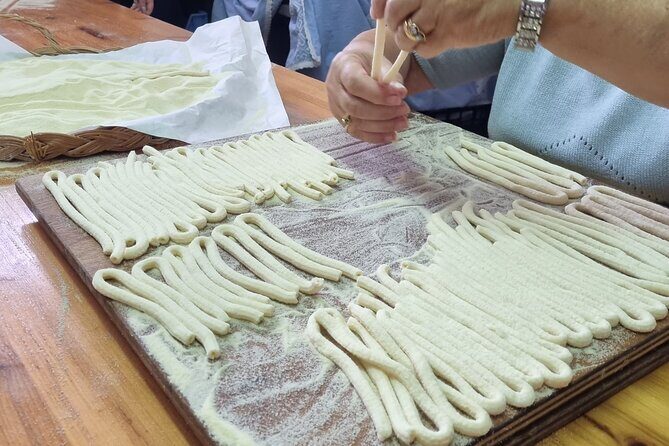
- You’ll learn pasta shaping methods using traditional tools and techniques
- The menu is season-based, so your exact dishes may vary
- Expect mountain village life context, not just recipes
- A scenic return drive includes a short Alghero-area viewpoint stop
Montresta, Sardinia: why this village meal feels different
Sardinia has plenty of food experiences. This one stands out because it’s rooted in a working home and a small mountain village. Montresta is described as one of the areas associated with Blue Zone longevity, and the talk around the table reflects daily choices—food, rhythms, and community—rather than just how to plate pasta.
You’re not just eating Sardinian food. You’re learning how people here treat ingredients like something earned from the land. That’s why the day feels grounded, even when you’re doing a task that looks simple on paper, like making dough or shaping pasta forms.
The hosts—Leonarda, Ica, and the family around them—set the tone. Reviews highlight how welcoming they are, and how the guide Davide helps you understand what’s happening and why. If you like travel that connects culture to the real work of making meals, this is the kind of day that sticks.
Other Sardinian cooking classes in Sardinia
Morning logistics from Alghero and the Villanova Monteleone stop
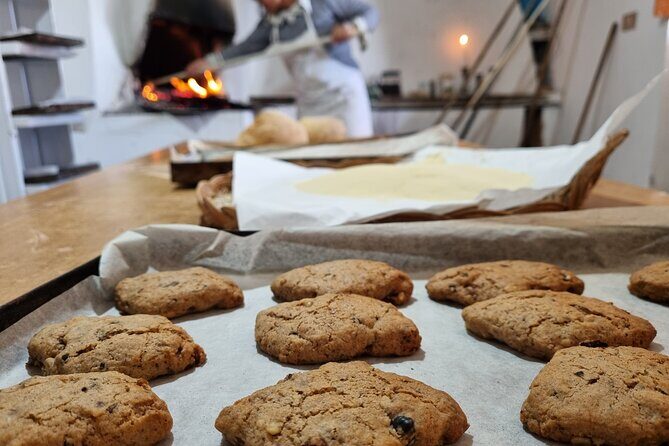
Your day starts back in Alghero. The meeting point is Via Lido, 73, 07041 Alghero SS, Italy, with a 9:00 am start time. You’ll then head out by van for the mountain drive, and along the way there’s a short stop in Villanova Monteleone.
That brief stretch matters more than it sounds. It’s part of how the day frames Sardinia: small inland towns, provincial roads, and the sense that you’re leaving the coast behind. It also gives you a quick reset before the main event, especially if you’re arriving early from a hotel day.
One practical note: you’ll be riding for a while, and then you’ll be on your feet in a village. Comfortable shoes help. Layers also help, since mountain areas can feel cooler than the coast.
Leonarda and Ica’s kitchen: what farm-to-table cooking actually means here
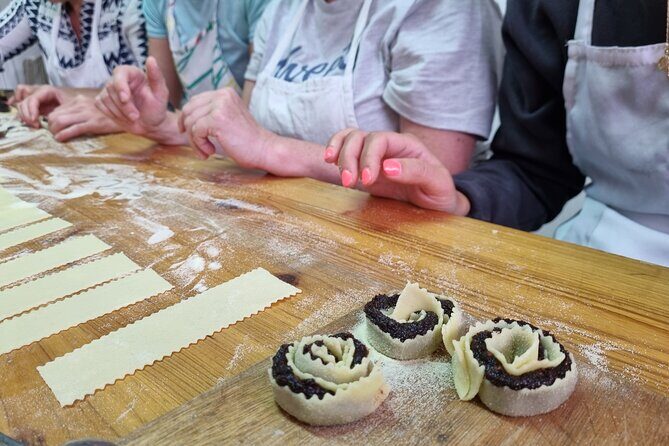
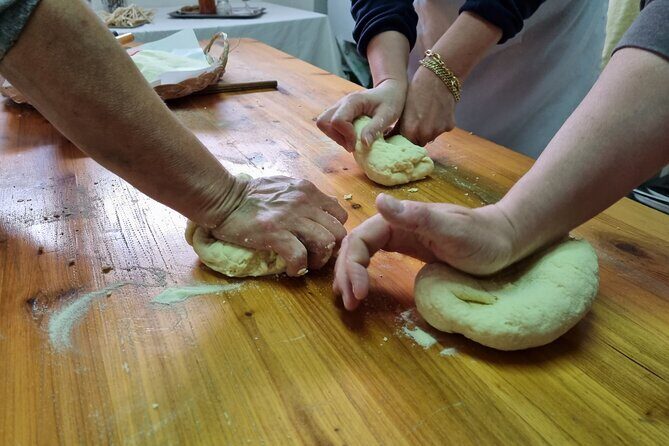
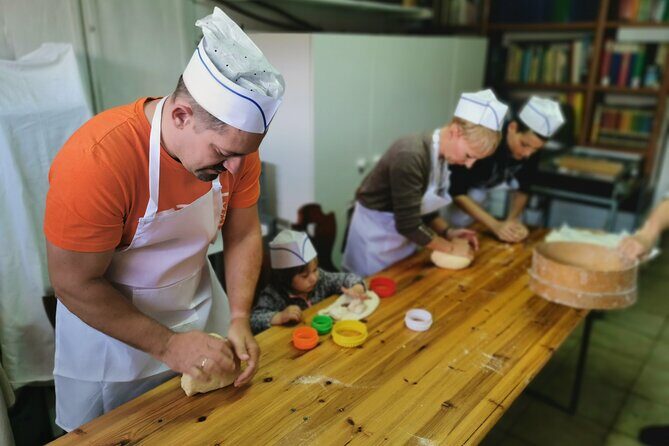
This is the core of the experience: you arrive and meet the family at their home, then work through the day’s steps with guidance. You’re not being handed recipes and sent off. You’re learning in stages—bread and starters first, then pasta dough, then dairy, then shaping, and finally dessert and lunch.
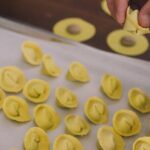
The day commonly starts with welcoming bites such as fresh bread from a wood oven and bruschetta-style treats. Then you move into making pasta using traditional tools. One review described learning five different kinds of pasta, including ravioli filled with eggs, ricotta, and pecorino made or grown by the family.
As you cook, you’ll also get a close look at dairy work. Several descriptions mention making ricotta and cheese by hand, including warming milk and handling curds. If you’ve ever wondered why traditional cheese-making is slow and hands-on, you’ll understand it by the end of the workshop.
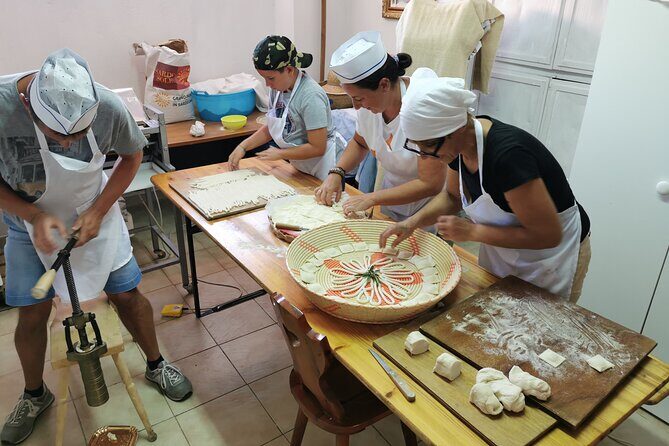
Pasta shaping is where you’ll really notice the difference between a classroom and a family kitchen. Reviews mention forming pasta outdoors on a terrace and using methods that look old-school but make total sense: simple fork shapes, traditional forms using tools like a wicker mat or butter pat, and even an extrusion approach using a torchio press.
And here’s the subtle genius: the process is tied to waste-minimizing habits. One review notes that whey is saved for pigs and that byproducts like ash from hearth cooking are used for fertilizing vines. You don’t just learn to make food—you see how a community tries to waste less.
Lunch in the dining room: taste the work you made
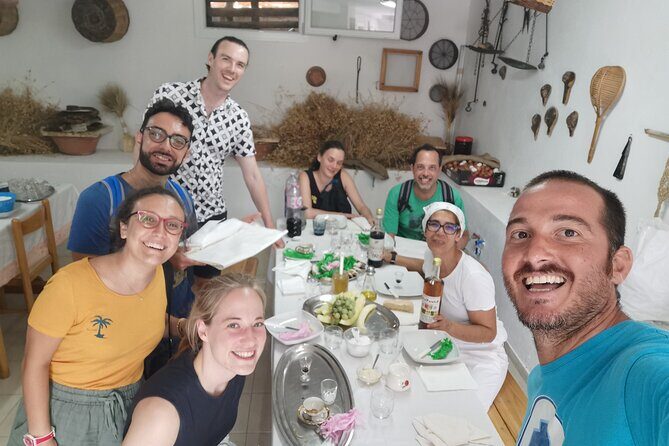
After the cooking steps, you eat what you helped produce. Lunch is included and centers on typical Sardinian products. Expect your own fresh pasta alongside other local additions, with details like veal ragù appearing in the lunch descriptions.
This is also where local dairy shines. Ricotta you made earlier may show up again with bread and honey. Dessert is part of the rhythm too, and multiple write-ups mention semolina cookies, local honey, and traybake-style cakes. Some descriptions also reference flavors like alkhermes.
Wine and spirits are mentioned in the meal stories, including local wine and white grappa. If you’re the type who prefers to skip alcohol, you can still enjoy the food, but you’ll want to plan for a lunch that’s more social than clinical.
What I like about this meal setup is that it’s not just fuel. It’s the payoff and the conversation starter. People ask questions, the hosts explain traditions, and the guide connects the dots between food and how people live here.
The guided village walk and the Blue Zone conversations
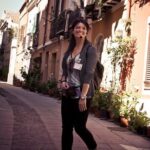
Once the workshop wraps, the day doesn’t rush you back to the road. You get time for a slow stroll through Montresta with context from Davide, and this is where the experience becomes more than cooking.
The stories touch on why hosting matters: keeping traditions alive, passing down skills, and sharing daily life with visitors. One recurring theme is rural depopulation and changing family structures—why villages like this can’t preserve everything without community effort.
This is also where the Blue Zone mention comes in. The conversation frames longevity through choices tied to food and routine, not through miracle claims. The key is that you hear the perspective from the people who actually live the lifestyle.
Davide’s role matters here. Reviews describe his English skills as strong, and that he’s patient and attentive. Some mentions also highlight that he’s able to talk about the region beyond food—stories that can include science and the land itself—so you get a fuller picture of Sardinia, not just tasting notes.
Other cooking classes in Sardinia

The scenic drive and the short stop back toward Alghero
After the main time in the village, the day includes a return drive with a short stop associated with the wider coast-inland route. One description notes a drive route that explores cliffs, canyons, and Mediterranean nature before heading back to Alghero.
Even though the drive time isn’t the headline, it helps tie the day into place. You see how the coast differs from the inland areas, and you get that sense of distance—mountains, valleys, and small communities spaced out over real terrain.
You’ll end back at the meeting point in Alghero, so you’re not dealing with transfers or figuring out the timing on your own.
Price and value: is $168.58 worth it?
At about $168.58 per person for roughly 6 hours, you’re paying for a family-hosted workshop plus transportation and guide support. The biggest value piece is the format: max 8 travelers.
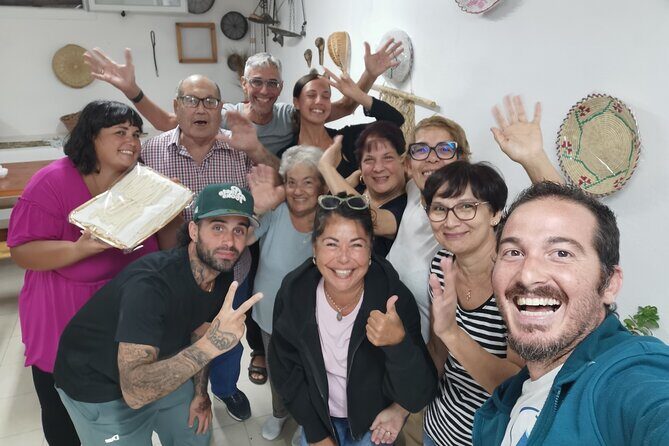
For many cooking classes, you’re one of a larger crowd and the instructor has limited time to answer questions. Here, the group size keeps it personal. You’re working with the hosts, learning technique, and getting real explanations from Davide while the family answers from their own perspective.
The other value piece is lunch being built into the day. You’re not paying extra to taste the results—you eat the food you helped make and the typical products that come from the area. And since the menu is season-based, you’re getting a living experience, not a scripted one-size-fits-all tasting.
Finally, this is the kind of experience that books ahead. If you see dates you like, that’s your sign to grab them rather than waiting.
Who should book, and who might want a different style
This tour fits best if you:
- Want hands-on food learning, not a quick demo
- Like meeting families and understanding local life through food
- Enjoy small groups and conversation with a guide
- Are curious about Sardinia beyond beaches and want inland traditions
You might want to skip it (or book something else) if you:
- Prefer passive sightseeing over active cooking
- Don’t enjoy being in a home workshop setting with real tasks
Also, if you’re traveling with kids, this can work well. One family described bringing two teens and having a great day, mainly because everyone participated and the hosts made it welcoming.
Should you book this Montresta farm-to-table cooking day?
If your idea of a great Sardinia day includes fresh pasta, real dairy work, wood-oven bread, and an honest conversation about village life, I think you’ll be happy you booked. The small group size, the guided translation and context from Davide, and the fact that lunch is the payoff make it feel like a full experience rather than a ticketed activity.
Book it when you find the date you want, because spots can fill and this is the type of day people plan early. If you’re flexible, bring curiosity, show up ready to cook, and expect to leave with new respect for how food ties to land and community in Sardinia.
FAQ
How long does the farm-to-table cooking experience last?
It’s about 6 hours.
What is the group size limit?
The group has a maximum of 8 travelers.
Where does the experience start and when?
It starts at Via Lido, 73, 07041 Alghero SS, Italy, with a 9:00 am start time.
What’s included in the price?
Lunch featuring typical Sardinian products after the cooking experience, transportation, and a multilanguage local guide.
What language is offered?
English is offered, and the local guide is described as multilanguage.
Can I cancel for a full refund?
Yes. You can cancel up to 24 hours in advance for a full refund. If you cancel less than 24 hours before the start time, the amount paid is not refunded.