REVIEW · SARDINIA
Trekking tour Nebida Masua and Porto Flavia
Book on Viator →Operated by sulcis hiking biking trek · Bookable on Viator
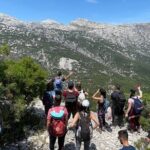
Mines, coves, and sea time in one walk. This trek strings together mining sites and secret coast corners, with an expert guide who explains what you’re seeing as you follow paths used by the workers. Along the way, you also get breaks for swimming at five beaches, including spots cars can’t reach.
I love how the first three stops are straightforward to enjoy: the visits to Nebida (ex Villaggio Minerario del 1870), Laveria Lamarmora, and Masua include free admissions. I also love the way the experience stays practical: car transfers and safety assistance help you spend your energy on the route, not logistics.
One thing to consider: Porto Flavia is a highlight, but its admission ticket is not included, so you’ll need to pay separately for the guided visit. And since trekking shoes aren’t provided, you’ll want to show up properly equipped.
In This Review
- Key highlights you’ll remember
- Entering Nebida and Masua: mining history meets the coastline
- Getting there at Giardino Belvedere and keeping the pace friendly
- Stop 1 in Nebida: ex Villaggio Minerario del 1870
- Stop 2: Laveria Lamarmora and the coast as an industrial machine
- Stop 3 in Masua: ex villaggio minerario and the shift in scenery
- The swim breaks at five beaches: bring what you’ll need
- Stop 4: Porto Flavia and Cesare Vecelli’s guided engineering visit
- The guide matters: Michele Pinna’s mining-history storytelling
- Price and value: what $83.08 buys you (and what it doesn’t)
- What to bring: the day’s small needs that make a big difference
- Who should book this Nebida to Porto Flavia trek
- Should you book Nebida Masua and Porto Flavia?
- FAQ
- How much does the Nebida, Masua and Porto Flavia trek cost?
- How long is the tour?
- What’s included in the price?
- What is not included?
- Are there free admissions during the route?
- Where do we meet, and where does the tour end?
- What days and times does the tour run?
Key highlights you’ll remember
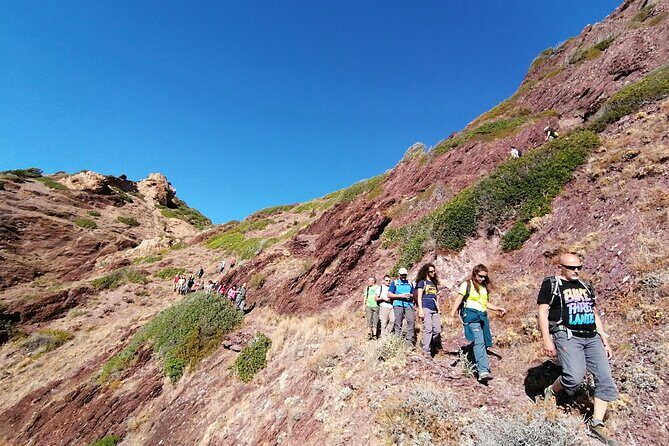
- Nebida to Masua on miner paths with history told on the ground, not from a bus window
- Five beach swim stops along the way, including coves and areas not reachable by car
- Laveria Lamarmora as a hands-on lesson in how ore was prepared for sale
- Porto Flavia by Cesare Vecelli for a guided look at engineering ingenuity (ticket extra)
- Small groups up to 20 plus car transfers and safety assistance
Entering Nebida and Masua: mining history meets the coastline
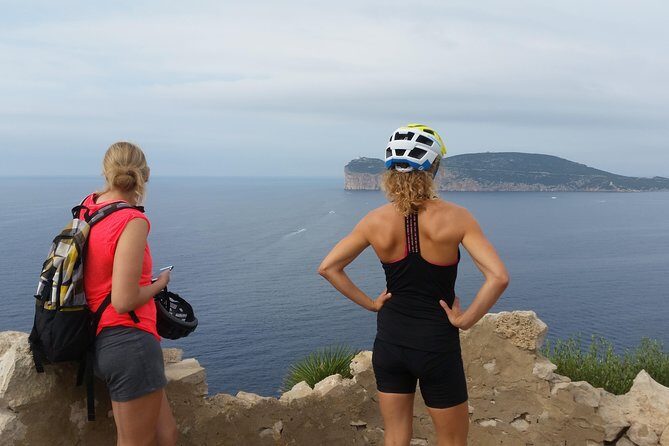
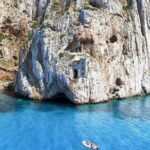
This is the kind of tour where the scenery has a second job: it explains itself. Sardinia’s southwestern coast can look dramatic at a glance, but on this route you’re shown what used to run the place. The guide focuses on mining history and industrial archeology, so each turn on the footpaths connects back to real working life.
You’re not just hopping between “photo points.” You’re walking routes that miners used, then stopping at key structures where you can understand the process: from where materials were handled to how they were prepared and shipped. And because the itinerary includes coves that aren’t car-accessible, the coast feels more private than most standard sightseeing.
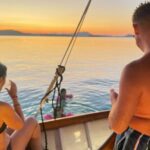
This also runs in the late afternoon to evening window. Opening hours are Friday through Sunday, 5:00 PM to 9:00 PM, which can make the whole coast moodier and more pleasant, especially in warmer months.
Other hiking and canyoning tours in Sardinia

Getting there at Giardino Belvedere and keeping the pace friendly
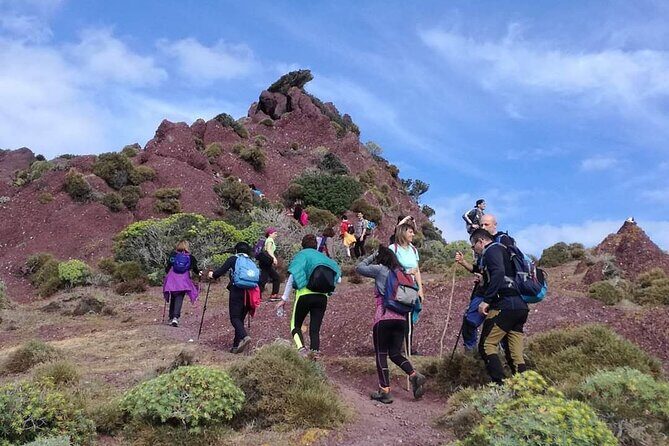
Your starting point is Giardino belvedere di Nebida, in the Frazione Nebida area (Settore A, 09016 Nebida SU, Italy). The activity ends back at the same meeting point, so you’re not stuck figuring out a new return.
The “feel” of the day is paced by stops rather than a long single hike. You’ll have short site visits early on (about 10 minutes each for Nebida and Masua) plus a longer guided focus at Porto Flavia (about 1 hour). That structure matters. It keeps the history readable and helps you manage energy while still getting multiple scenery changes.
You’ll also travel with car transfers included. That’s a big value add here because the coast around Nebida and Masua can be spread out, and transferring by car means you spend less time moving through traffic and more time walking the meaningful parts. Safety assistance is included too, which is a comfort if your trekking experience is limited.
The group size is capped at 20. That’s large enough to feel social, but small enough that the guide can keep the pace controlled and answer questions without the group turning into a stampede.
Stop 1 in Nebida: ex Villaggio Minerario del 1870
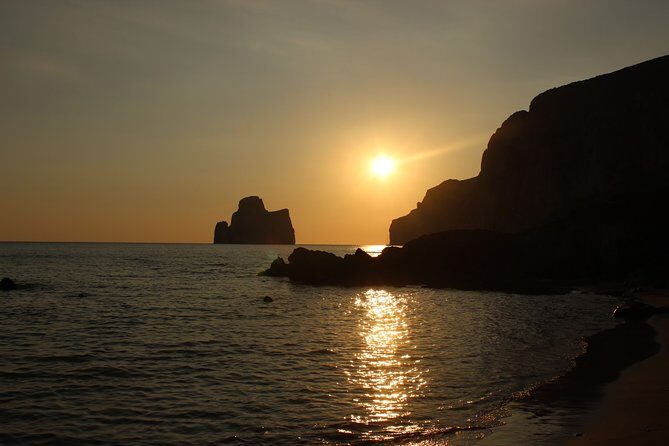
Your first stop is Nebida and the ex Villaggio Minerario del 1870. Admission is listed as free for this stop, and the visit is about 10 minutes.
What makes this part worth your time is the context. A mining village isn’t just “old buildings on a hill.” With the guide’s mining-history focus, you can start to read how a worker community organized itself around the operation. Even in a short visit, this stop helps you understand what you’re walking toward next: it frames the coastline not as a view, but as part of an industrial system.
Potential consideration: since this is a brief orientation stop, don’t expect deep exploration of every structure. Treat it like a primer so the next sites make sense quickly.
Stop 2: Laveria Lamarmora and the coast as an industrial machine
Next you head to Laveria Lamarmora, the mining preparation facility on the Nebida coast. This stop lasts about 30 minutes, and admission is also free.
“Laveria” is the clue. This is where the mineral was prepared for sale, not simply extracted. When you stand near these kinds of structures, the details matter: you’re learning what happened before the product ever reached shipping. The guide’s industrial archeology approach is the main reason this stop lands well. Instead of seeing ruins, you learn the function behind them.
Drawback to keep in mind: it’s a working-style site, meaning the path and viewing areas can be uneven or exposed depending on conditions. The tour includes safety assistance, but you’ll still want to walk carefully and wear footwear with real traction since trekking shoes aren’t included.
Stop 3 in Masua: ex villaggio minerario and the shift in scenery
Masua is your next story beat. The stop is about 10 minutes, and admission is free. This part matters because it’s where the tour shifts from the industrial structures you’ve just learned about into the coastal “walk” energy people come for.
Masua includes the ex villaggio minerario and the adjacent mine area. That combination is powerful because you can connect the village side of mining life with the nearby industrial activity. Even with a short stop time, the guide’s explanations help you see the coastline as a working route: where people moved, where materials were handled, and why the sea was so closely tied to the operation.
If you like places that blend human history with coast views, this is one of your best bets on the itinerary. Many walking tours give you scenery only. This one gives you scenery plus the why.
Other Iglesiente mines and Porto Flavia tours in Sardinia
The swim breaks at five beaches: bring what you’ll need
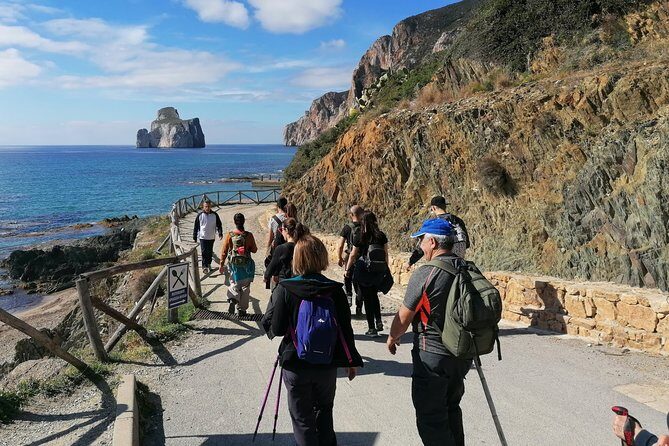
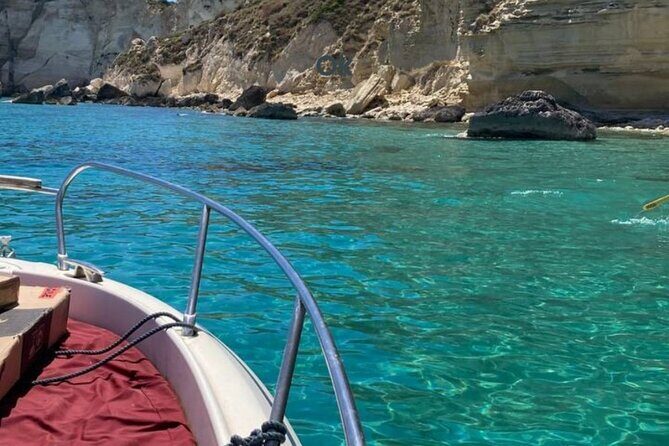
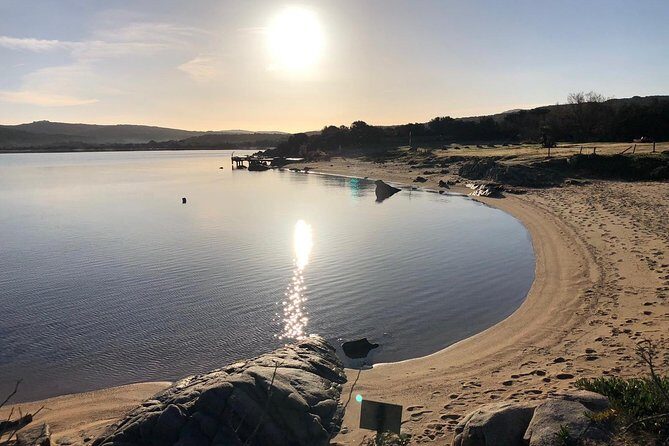
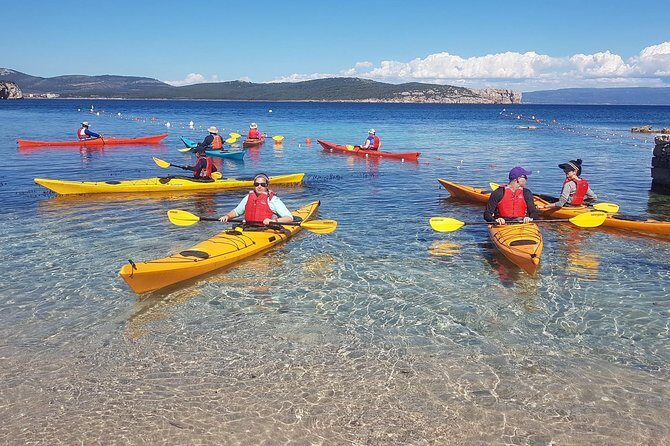
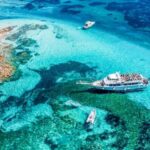
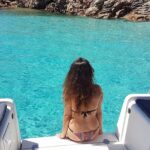
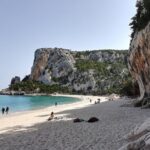
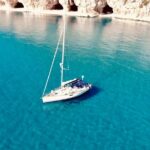
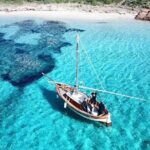
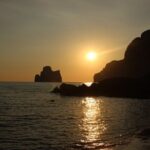
During the trek, you stop for swimming at five beaches along the way. That’s a distinctive feature of this experience, and it changes how you pack and how you pace yourself.
Practical tip: plan for the fact that you’ll be changing from walking mode to water mode multiple times. Even if you don’t do a full swim at every stop, you’ll want to be ready to get wet or at least wade in comfortably.
What you should bring is not listed in the tour details, but you can make the day easier on yourself by bringing essentials for beach time (like a small towel and any basic swim gear you use). Since bottled water isn’t included, it also helps to have your hydration plan ready before you start.
The upside: these beach breaks prevent the trek from feeling monotonous. You get mini resets where the coast opens up, the air changes, and you can cool off.
Stop 4: Porto Flavia and Cesare Vecelli’s guided engineering visit
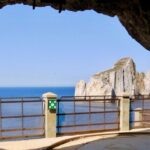
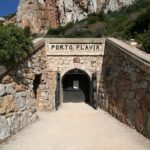
Your final major focus is Porto Flavia, the “wonder” of Cesare Vecelli’s technique and ingenuity. The visit is about 1 hour and includes a ticketed guided tour, but Porto Flavia admission is not included in your price.
This matters for value. You might pay more than you expect if you only look at the base cost, but Porto Flavia is a serious engineering site, and the experience is set up so you end with a concentrated guided explanation rather than a rushed stroll.
Here’s how to think about it: if Nebida and Masua give you the human and industrial context, Porto Flavia is where that context gets mechanical. You’re seeing how clever design handled real-world challenges connected to mining and shipping.
Practical consideration: since the ticket is separate, check how you’ll get it and budget for it ahead of time. Also, wear shoes you trust on rocky or uneven ground, because you’ll likely transition between footpaths and viewing areas during this last guided segment.
The guide matters: Michele Pinna’s mining-history storytelling
A big part of the quality here is the guide. In the experience notes and feedback, Michele Pinna is repeatedly singled out as experienced and professional, with strong knowledge of the territory and mining history. People also describe him as engaging and attentive, and that he can tailor pacing to those with less trekking experience.
That’s not a small detail. For industrial archaeology, a guide’s job is to translate shape and structure into meaning. Without that, you’re left with guesswork. With it, you start recognizing why something is built where it is and what the workers were trying to solve.
I also like that the storytelling isn’t isolated from nature. The route covers both industrial sites and natural settings, and Michele’s approach blends historical context with what you’re seeing in the environment as you walk.
If you enjoy guides who explain how things worked, not just what happened, this is a strong match.
Price and value: what $83.08 buys you (and what it doesn’t)
The tour price is $83.08 per person, and it’s booked on average about 80 days in advance. That’s a clue that dates fill, especially in the Fri–Sun evening slot.
So what’s the value?
- Three free-admission mining stops (Nebida, Laveria Lamarmora, Masua) remove a common “pay more at the door” problem.
- Car transfers and safety assistance reduce friction, which makes the overall experience feel smoother.
- The tour includes time in multiple settings: mine village context, ore-preparation infrastructure, village/mine adjacency, plus the separate Porto Flavia guided visit and swimming breaks.
What you should plan for separately:
- Porto Flavia admission ticket is not included.
- Bottled water isn’t included.
- Self lunch and dinner aren’t included.
- Trekking shoes aren’t included.
For most people, the best value question is whether you’re the type who wants guided interpretation. If yes, this feels like a bargain for the number of meaningful stops you get in a single outing.
What to bring: the day’s small needs that make a big difference
The tour doesn’t include trekking shoes, so bring footwear with traction and decent grip. You’ll be on footpaths that connect sites and beaches, and you’ll feel better if your feet are supported rather than relying on flimsy sneakers.
Also plan for water and food. Bottled water, lunch, and dinner aren’t included, so you’ll want a hydration plan and snacks if you need them.
If you’re going to swim at five beach breaks, bring what you use for beach time. The tour confirms swimming stops, so you shouldn’t treat this like a “photo only” trek.
Finally, remember it’s a mobile-ticket experience. Keep your phone charged and accessible for check-in.
Who should book this Nebida to Porto Flavia trek
This tour fits best if you like:
- walking with explanations, especially mining history and industrial archaeology
- coastline views plus real human context
- a small group size and a guide-led pace
- a trek that includes downtime for swimming at multiple beaches
You might want to think twice if:
- you’re expecting a purely easy promenade with no uneven ground (this is a trekking format)
- you don’t want to pay a separate ticket for Porto Flavia
- you don’t have appropriate footwear for footpaths and coastal areas
Overall, it’s a smart choice for couples, friends, or anyone traveling with curiosity about how Sardinia’s industrial past shaped the coastline.
Should you book Nebida Masua and Porto Flavia?
If you want a tour that combines working industrial sites with real coastal walking—and you like having a guide who can explain it clearly—this is an easy yes. The strongest parts are the early free-admission mining stops, the beach swim breaks, and the way Michele Pinna’s explanations make the route feel like a story you can walk through.
Book it especially if you’re the kind of traveler who doesn’t mind paying attention. Porto Flavia being ticketed separately is the main tradeoff, but the rest of the experience is set up so you feel you’re getting a lot for your base price.
If you’re flexible, this experience is also weather-dependent. When conditions aren’t good, a different date or a full refund may be offered, so it’s one to schedule with a bit of breathing room.
FAQ
How much does the Nebida, Masua and Porto Flavia trek cost?
The price is listed as $83.08 per person.
How long is the tour?
The duration is listed as approximately 3 to 30 minutes, with the itinerary including set time stops: about 10 minutes at Nebida, 30 minutes at Laveria Lamarmora, 10 minutes at Masua, and about 1 hour at Porto Flavia.
What’s included in the price?
Included features are car transfers and safety assistance.
What is not included?
Not included are bottled water, self lunch and dinner, trekking shoes, and any separate admission tickets not specified as included. Porto Flavia admission is not included.
Are there free admissions during the route?
Nebida (ex Villaggio Minerario del 1870), Laveria Lamarmora, and Masua are listed as having free admission tickets.
Where do we meet, and where does the tour end?
You meet at Giardino belvedere di Nebida, Frazione Nebida Settore A, 09016 Nebida SU, Italy, and the activity ends back at the same meeting point.
What days and times does the tour run?
It runs Friday through Sunday from 5:00 PM to 9:00 PM (for the period 05/01/2025 to 07/31/2026).