REVIEW · SARDINIA
Visit to the dairy
Book on Viator →Operated by Argiolas Formaggi · Bookable on Viator
Cheese made in 60 minutes sounds wild, but it works. This Argiolas Formaggi visit gives you a clear look at pecorino production and ends with a guided cheese-and-wine tasting that makes the whole process click. One thing to consider: the site is a working dairy, so expect a bit of practical walking and a stop-and-start pace around the production areas.
I like how the tour is built around real production phases, from milk checks right through packaging and shipping. You’ll also get visitor kits to protect your clothes and hair, which is a small detail that saves hassle. If you’re short on time in Sardinia or hate tours that include tasting rooms, this may feel like “too much factory” for your style.
In This Review
- Key highlights at Argiolas Formaggi (Dolianova)
- Argiolas Formaggi: what you’re really signing up for
- Meeting point and timing that won’t stress you out
- Step-by-step: what you’ll see during the production tour
- 1) The start: entrance and milk analysis
- 2) Production phases: from recipes to actual processing
- 3) Salting in brine tanks
- 4) Ricotta and the milk-to-fresh connection
- 5) Seasoning: where time does the work
- 6) Packaging and shipping: the business side
- The tasting room: where you make sense of the whole hour
- Visitor kits, clothes, and comfort
- Shop time: take the flavors home
- Price and value: is $38.67 a fair deal?
- Who this tour suits best (and who should skip it)
- Practical travel tips for getting there
- Is it worth booking? My straight answer
- FAQ
- FAQ
- How long is the dairy visit?
- What’s the price per person?
- Is the tour offered in English?
- What does the tour include?
- Is a tasting included at the end?
- Do I need special clothing for the visit?
- Is this tour private?
- Can I cancel for free?
- Are service animals allowed?
Key highlights at Argiolas Formaggi (Dolianova)
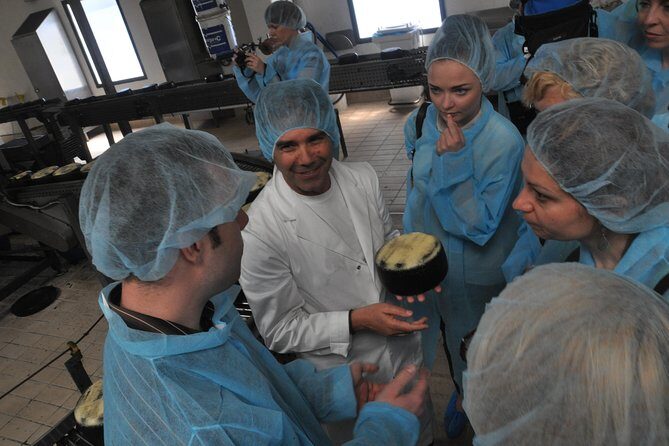
- See the full cheese line: from milk analysis to brining, seasoning, and packaging
- Pecorino and goat cheese together: you get the Sardinia range, not one single product
- Guided tasting with wine: the tasting room ties what you saw into what you taste
- Visitor kits provided: clothing and hair protection so you stay comfortable
- Easy shop add-on: take home cheese plus local olive oil, honey, jams, and wines
- Private group experience: only your group participates, so it feels calmer than a crowd
Argiolas Formaggi: what you’re really signing up for
This is one of those tours where the “factory visit” label doesn’t do the experience justice. You’re not just walking past machines and nodding along. The format is designed to help you understand how Sardinian dairying turns milk into aged cheese and fresh dairy products—step by step.
The heart of the visit is Argiolas Formaggi S.r.l. in Dolianova (on SP14, near the town). You’ll spend about an hour inside the guided route, then finish in the tasting room. English is available, and the experience is set up as a private activity for your group, not a mixed-schedule free-for-all.
At $38.67 per person, it’s priced like a solid “one-and-done” food experience—especially since admission is included and you’re also getting the tasting piece. Also, a lot of people book this well ahead (on average about 88 days), which tells me it’s popular during the higher travel months.
Other olive oil and cheese tasting tours in Sardinia
Meeting point and timing that won’t stress you out
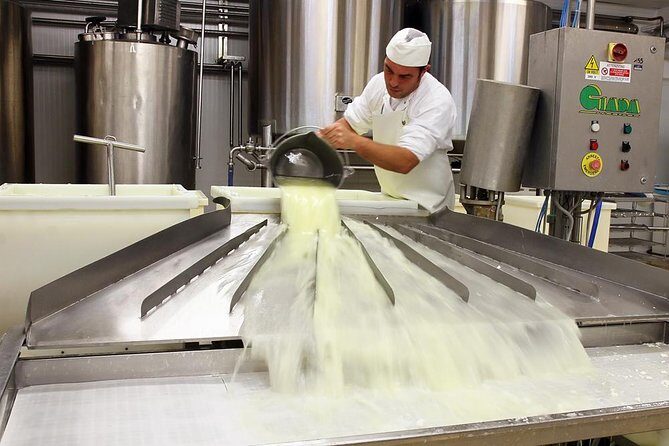
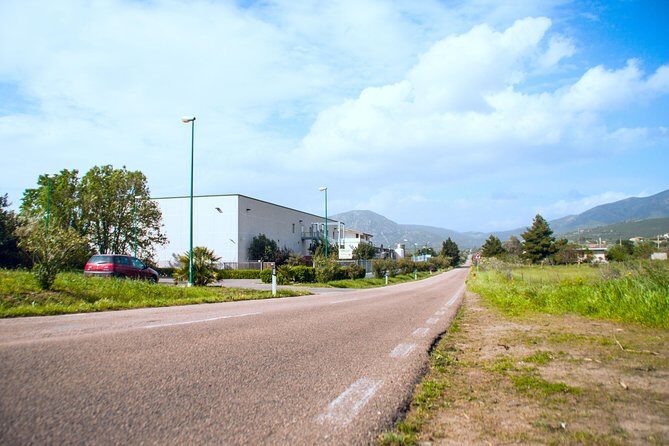
Your tour starts at Argiolas Formaggi S.r.l., SP14, 3, 09041 Dolianova CA, Italy. It ends right back at the meeting point, so you don’t need to plan a second exit route.
The duration is listed as about 1 hour, but the practical version is: you’ll want to arrive a few minutes early so you can get settled and start on time. If you’re traveling with tight schedules (cruise-day timing, bus connections, dinner plans), build in a buffer.
One small logistics note from real travel behavior: if you’re coming in from Cagliari, you may take bus and train options and then walk from the drop-off area—some people report about a 1.5 km walk to reach the dairy. In plain terms: wear comfortable shoes. Even if the route is short, factory sites are not the place for stiff sandals.
Step-by-step: what you’ll see during the production tour
The tour route is structured around production phases, and that’s what makes it feel worthwhile even for non-dairy nerds. Here’s what to expect, in the order that matters.
1) The start: entrance and milk analysis
You begin with an overview of how the process starts at the company level. You’ll get an introduction on the dairy’s history and focus—Argiolas has been producing for over 60 years, centered on pecorino and goat cheeses.
Then the tour moves to the early phase: checking the milk. They describe it as analysis after the entrance stage. I like this part because it connects the final product to the input, not magic. The “why” is simple: if you understand how milk is evaluated, you understand why certain cheeses come out consistent and why different styles need different handling.
2) Production phases: from recipes to actual processing
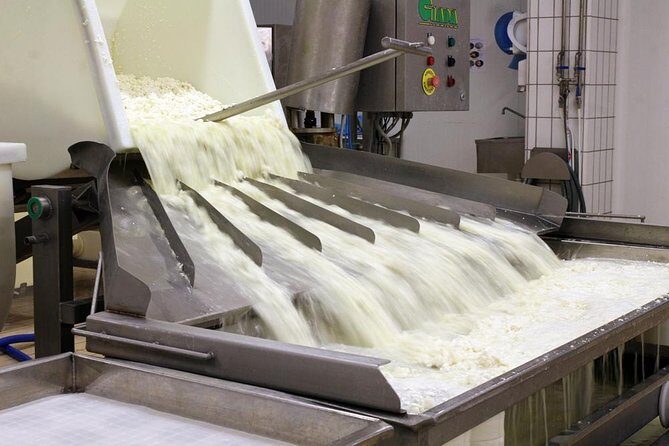
After the milk checks, the guide walks you through the production line. You’ll see how different cheese types are handled through their key stages, including production recipes and how each variety follows its own rhythm.
They specifically call out work connected to:
- the salting phase using brine tanks
- the ricotta production step
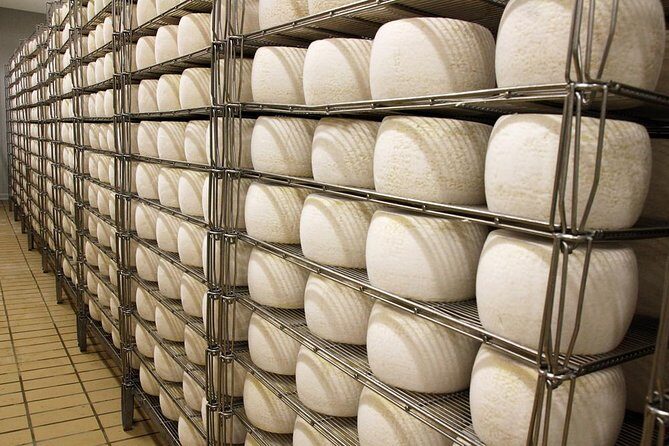
- seasoning (aging/development)
- and the end stages like preparation, packaging, and shipping
This is a good tour if you’re the kind of traveler who likes to know what happens when cheese is no longer just a wedge in a store. You’ll learn the sequence—what comes first, what changes next, and what must happen for the flavors and textures to develop.


3) Salting in brine tanks
Brining is one of those steps that sounds technical until you see it explained clearly. Salt affects more than taste; it also influences how the cheese develops during seasoning. Seeing the brine tanks (and hearing the logic behind the timing and handling) gives you a better grip on why cheeses from different farms, pastures, and methods can taste so different—even within the same broad category.
4) Ricotta and the milk-to-fresh connection
The tour also includes ricotta as part of what you’ll observe. That matters because ricotta is a quick “bridge” between fresh dairy and the aged cheeses. Even if you mostly came for pecorino, watching how ricotta fits into the larger production system helps you understand the full dairy operation.
5) Seasoning: where time does the work
Next comes seasoning—this is where the guide connects production to aging. You get a sense of how the cheese rests to develop flavors and aromas that come from both technique and the underlying milk profile.
If you’re thinking ahead to what you’ll taste later, this is the step that sets expectations. You’ll start paying attention to texture, aroma, and how different cheeses behave once they’re matured.
6) Packaging and shipping: the business side
It’s easy to think cheese happens only “inside” the aging room. But a working dairy also has to move product efficiently and protect quality. The tour covers preparation, packaging, and shipping, so you see how the company handles the reality of getting Sardinian cheese out into the world.
This is also where you get a good sense of scale: it’s not a tiny one-room operation, and that’s part of why they’re considered important in the region.
The tasting room: where you make sense of the whole hour
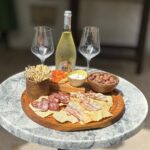
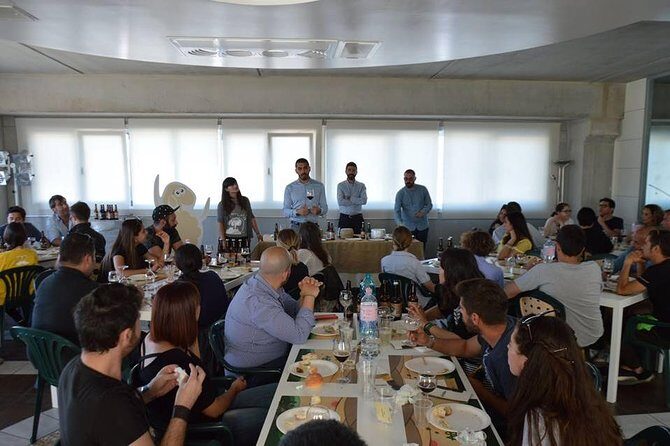
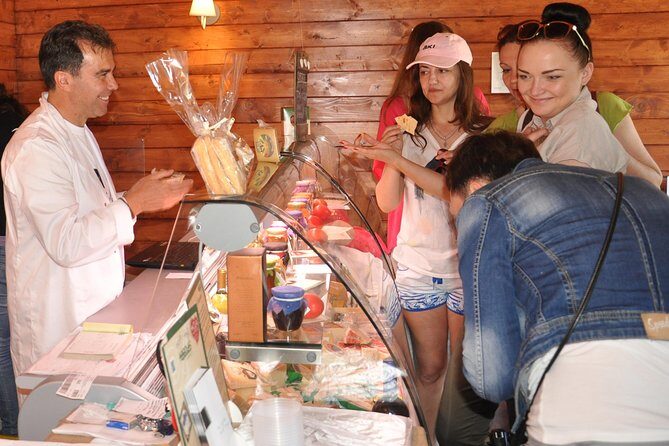
Every food tour needs a finish line, and this one uses the tasting room to wrap up the story. After the production tour, you’ll move to a guided tasting of some of Argiolas Formaggi’s most famous cheeses, and it’s accompanied by wine from Sardinia.
What I like about this setup is that it isn’t just “try everything.” You’re learning what you’re tasting relative to what you saw. After the brining and seasoning explanation, cheese tasting becomes less random and more like a guided comparison.
A few practical tips for the tasting:
- If you’re sensitive to strong flavors, start with milder cheeses first and save aged, sharper ones for last.
- Sip water between bites if you’re planning to drive or take a bus afterward.
- If you really like one cheese, take a moment in the shop afterward before you wander—your memory is fresher then.
Visitor kits, clothes, and comfort
The tour provides visitor kits to protect clothes and hair during the visit. That’s not just a “nice to have.” Working kitchens and production areas can be messy, and factory tours can be awkward if you’re worried about your outfit.
So I’d treat the kits as part of the value: you’re showing up and getting the basics covered. Bring your own layer options anyway—industrial spaces can feel cooler depending on the areas you visit.
Shop time: take the flavors home
One of the easiest wins at Argiolas is the onsite company shop after the tour. You can buy cheeses directly, plus other local products like:
- wine
- olive oil
- honey
- jams
This matters because it turns the visit into something more than a “memory.” If you find a cheese you loved in the tasting room, the shop is your fast route to buying it while the flavor is still fresh in your mind.
Also, if you like bringing back food gifts, you’ll like the variety. It’s not only cheese, and that makes shopping simpler if your group has different preferences.
Price and value: is $38.67 a fair deal?
Let’s talk value in real terms.
You’re paying for:
- a guided production tour (about 1 hour)
- admission included
- visitor kits
- a guided tasting in the tasting room with wine
- and the chance to buy high-quality products at the site
At $38.67 per person, this tends to fit the category of “worth it if you’re into food.” If you came to Sardinia mainly for beaches and you don’t care about cheese, it may feel like a chore. But if you like learning how regional foods are made, it’s a strong use of time—especially when tours with tastings can easily run higher.
And because it’s private for your group, you avoid some of the chaos that can come with larger mixed tours. That can be a real quality upgrade in practice.
Who this tour suits best (and who should skip it)
This experience is a good match if you:
- want hands-on food learning, not just scenery
- like pecorino and goat cheeses (and you want more than one style)
- enjoy a tasting room finish where you connect flavors to steps
- want a compact activity that fits into a day without stealing half your itinerary
It may be less ideal if you:
- hate tours that follow a fixed schedule
- are extremely short on walking comfort (the site is accessible for most people, but you’ll still move through a working environment)
- don’t drink wine or don’t want a tasting component (wine is included with the tasting, based on the description)
Practical travel tips for getting there
Dolianova is not “on top of” the biggest tourist hubs, so plan your arrival with a bit of common sense.
If you’re using public transport, you can expect that you might combine bus/train and then walk part of the last mile. Build in time, especially if you’re traveling in warm weather.
If you have a car, that’s easier. The company has a large car park, which is a big deal for a day trip. Parking problems can ruin a good food stop—this one avoids that.
Finally, check the meeting point on SP14 and plan to arrive a touch early. Factory tours run on timing. You don’t want to cut it close.
Is it worth booking? My straight answer
Yes—if you’re even moderately interested in cheese, this is an excellent use of an hour. You get a clear view of how Sardinian pecorino and goat cheeses are made, plus a guided tasting with wine that makes the whole process feel real.
I’d book it if:
- you like learning how food is produced
- you want a structured, low-stress activity with a payoff (tasting + shop)
- you’re traveling with food-focused friends or family
I’d rethink it if:
- you want only outdoor sightseeing
- you’re completely uninterested in factory tours or tastings
- you’re running a super tight schedule without buffer time for transit and walking
FAQ
FAQ
How long is the dairy visit?
The tour lasts about 1 hour.
What’s the price per person?
The price is $38.67 per person.
Is the tour offered in English?
Yes, the experience is offered in English.
What does the tour include?
It includes an admission ticket and a guided visit through the production phases, followed by a tasting in the tasting room.
Is a tasting included at the end?
Yes. The tasting room includes a guided tasting of cheeses accompanied by wine from Sardinia.
Do I need special clothing for the visit?
You’ll be offered visitor kits to protect your clothes and hair during the tour.
Is this tour private?
Yes. It’s private, and only your group will participate.
Can I cancel for free?
You can cancel for a full refund up to 24 hours before the experience starts.
Are service animals allowed?
Yes, service animals are allowed.