REVIEW · SARDINIA
Private local Food and Wine tasting
Book on Viator →Operated by Food & Wine Sardinia · Bookable on Viator
Sardinia’s food stories taste better than books. In a small shop setting in Selargius, you get a guided tasting built around Sardinia’s food-and-longevity reputation and the wider idea of a blue zone—plus the how and why behind the flavors.
I especially like the local-led approach, where the guide links ingredients to production and place, not just flavor. The second thing I really enjoy is the lineup: cheeses, cured meats, Carasau bread, olives, and seasonal bites, paired with local wines.
One consideration: the whole experience is about 1 hour, and there’s no private transportation included, so you’ll want to plan your own timing and get yourself to Enoteca & Bottega BinuShop at Via Piero della Francesca, 5.
In This Review
- Key takeaways before you go
- Why this tasting is about more than snacking in Sardinia
- Enoteca & Bottega BinuShop: the setting that keeps things personal
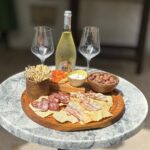
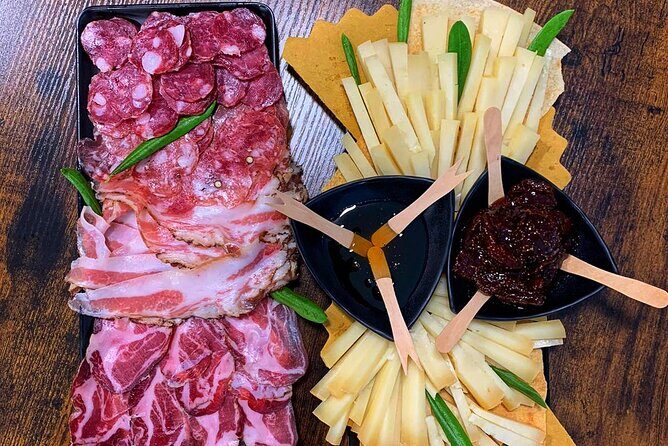
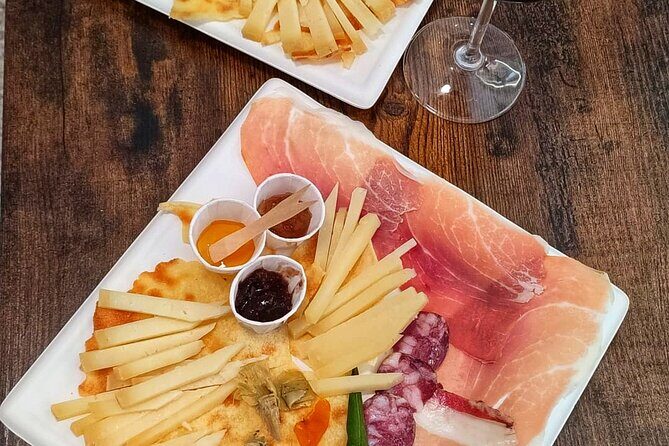
- What’s on the table: cheeses, cured meats, olives, and Carasau
- Two local wines plus alcohol tastings that match the food
- The Sardinia longevity angle, explained while you taste
- Timing that actually works: flexible start, 1 hour, and small group energy
- Buying your way into souvenirs: gifts, bottles, and cork platters
- Price and value: where your $57.61 goes
- Who should book this tasting in Selargius (and who should skip)
- Final call: should you book the private food and wine tasting?
- FAQ
- How long is the Sardinia private food and wine tasting?
- Where does the tasting start and end?
- What food and drink is included?
- What languages are offered?
- Is there a minimum drinking age?
- What if I have food intolerances?
Key takeaways before you go
- Small group (max 4) means more back-and-forth, including plenty of chances to ask questions.
- English language throughout keeps the food story easy to follow and fun to discuss.
- Two local wines plus local alcohol offerings turn the tasting into a true food-and-drink lesson.
- Carasau bread made with ancient grains shows up, so you taste something distinctly Sardinian.
- Seasonal artisanal add-ons can include baked goods, extra virgin olive oil, and land-and-sea specialties.
- Smart casual dress is all you need—no fuss, just enjoy the meal pace.
Why this tasting is about more than snacking in Sardinia
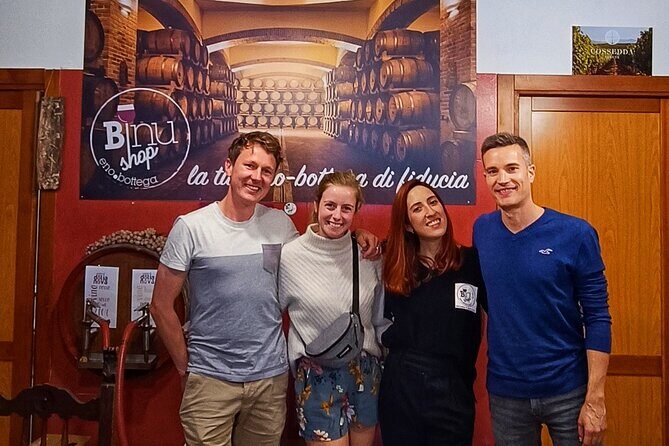
This is a food and wine experience with a point of view. The pitch is about the so-called food of longevity—Sardinia’s connection to the idea of blue zones where people live longer, and how daily eating habits can be part of the story. You’ll hear the background while you taste, so the flavors land with context instead of just tasting like a random set of bites.
I like that the guide keeps the focus practical: production techniques, what producers do (and why), and how local culture shapes what ends up on the table. That matters if you care about authenticity more than just collecting stamps.
You should expect a relaxed pace, the kind where you can actually notice the differences between items—salty cured meats versus creamy cheeses versus crisp bread—rather than racing through a buffet.
Other Sardinian wine tasting experiences in Sardinia
Enoteca & Bottega BinuShop: the setting that keeps things personal
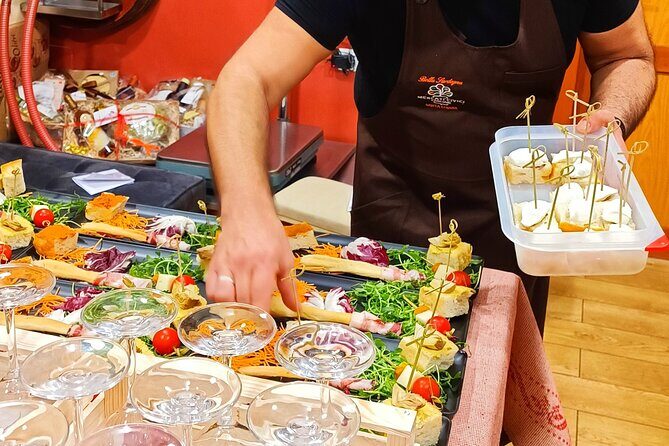
Your experience starts at Enoteca & Bottega BinuShop in Selargius. It’s an enoteca and bottega-style shop, which is a big advantage. You’re not just tasting in a generic room; you’re tasting in the same kind of place where Sardinians (and visitors) buy products.
The shop setup also explains why this works as a short 1-hour plan. Everything you need—tasting materials, the food selection, and the people running the experience—sits in one place. That helps you get your bearings fast and spend your time on the tasting rather than commuting between stops.
You’ll get a local-led session in English. In reviews, people highlight how well the explanations matched what they tasted, and that’s exactly what you want. If you’re going to pay for a tasting, you’re paying for translation of the food world into something you can actually understand and remember.
What’s on the table: cheeses, cured meats, olives, and Carasau
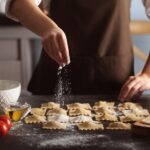
The menu centers on classic Sardinian staples, built to show variety in texture and intensity. Expect multiple rounds rather than one plate and done.
Here are the core items you should plan on encountering:
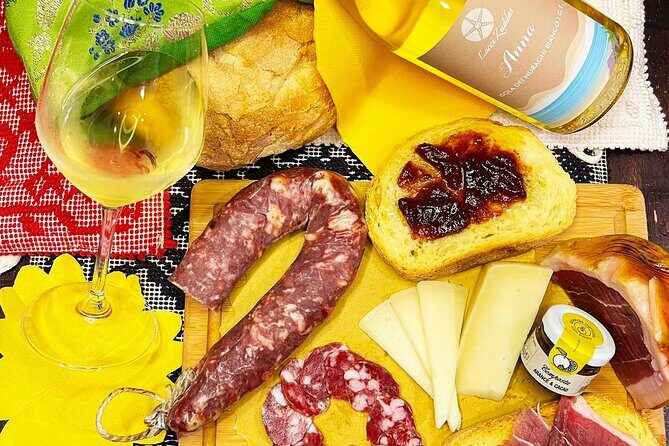
- Local artisan cheeses served in different seasonings
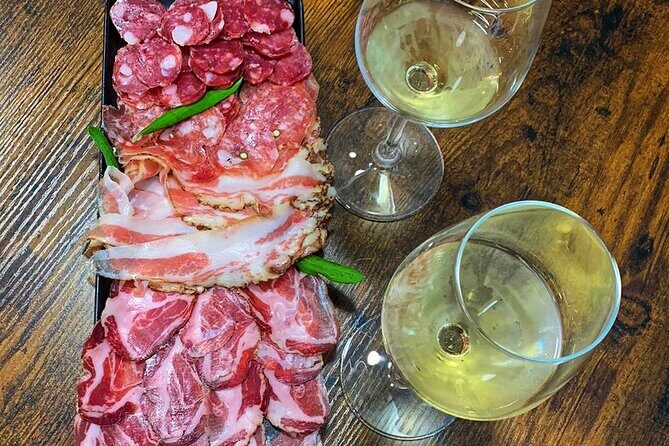
- Local artisan cured meats
- Local olives
- Carasau bread made by hand with ancient grains
- Local artisan pickles
- Seasonal artisanal delicacies (when available)
I love how this selection covers the Sardinian flavor map. Cheeses and cured meats give you the salty, aged backbone. Olives and pickles add sharp, briny contrast. Carasau bread brings that crisp bite that Sardinia is known for—light but not bland—so it works as a platform for everything else.
A useful way to think about it: this tasting is designed to teach your palate. If you’ve never had Carasau before, this is a good entry point. If you have, you’ll likely notice how the bread and toppings change the way the cheeses and meats taste.
Potential drawback: because it’s only about an hour, you’ll taste a curated set, not the full breadth of Sardinia. If you’re the type who wants a long, multi-course dinner experience, this is more like a focused sampler with strong storytelling.
Two local wines plus alcohol tastings that match the food
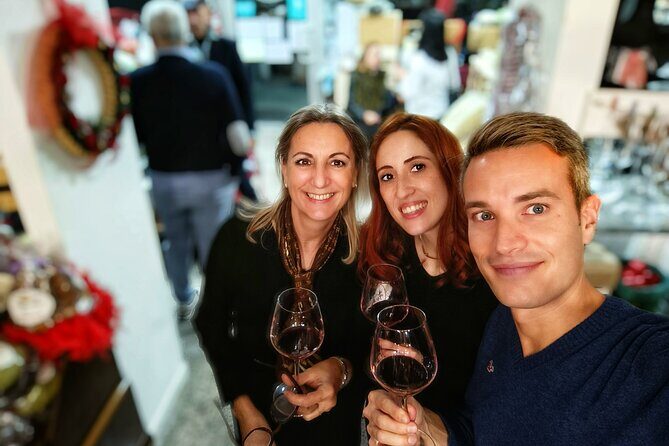
Food is half the job here, and wine is the other half. You’ll taste two local wines, and the flow is built so the wine changes how you read each bite.
In practice, that pairing logic matters because Sardinian wines often sit in a different flavor universe than what you might be used to at home. When the guide connects the wine to what you’re tasting—cheese type, cured-meat saltiness, bread texture—it turns the tasting into a mini lesson. You don’t just sip; you learn what to look for next time you’re buying bottles.
The experience also includes alcoholic beverages overall, and the description mentions wines and liqueurs. So you should go in expecting at least some form of local spirit or liqueur alongside the wine tasting, depending on the day’s selection.
One more plus: you get bottled water during the tasting. That’s not glamorous, but it keeps the experience comfortable and helps you stay sharp for the story.
The Sardinia longevity angle, explained while you taste
Not every tasting tour bothers with the “why.” This one does. The setup is built around Sardinia’s reputation for longevity, with the guide framing how food quality and everyday choices can influence health over time. You’ll hear it as a story about the production of the ingredients and the culture of the producers.
I like this approach because it gives you a reason to care even if you don’t usually nerd out about wine. You end up thinking about things like:
- ingredient quality (what makes it “good” in a local sense)
- how traditional methods shape flavor
- why certain foods are still important enough to keep making
You’re also likely to taste items tied to seasonality. That helps the longevity story feel grounded. Foods that show up only some times of year remind you the diet isn’t one static menu—it’s a rhythm.
Other food & drink experiences in Sardinia

Timing that actually works: flexible start, 1 hour, and small group energy
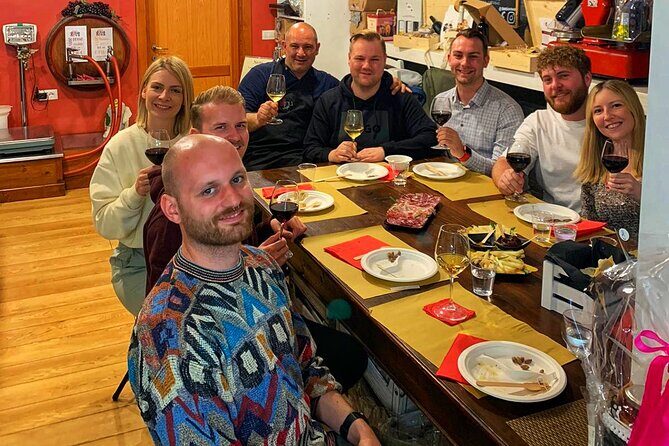
This experience runs about 1 hour, and it’s designed with flexibility. You’ll have a suitable start time to match your schedule, and you end back at the meeting point—so you’re not stuck building your day around a long, complicated plan.
Group size is capped at 4 travelers, which is the sweet spot for this kind of tasting. With smaller numbers, questions don’t get brushed aside, and you’re more likely to get individual pacing. If you want to ask why a cheese is seasoned a certain way, or where a wine style fits into Sardinia’s geography, you get more room to do that.
Dress code is smart casual. In other words, come as you are—just don’t show up in full beach-mode if you can avoid it. The setting is a shop and tasting counter, so you’ll feel more comfortable if you’re a bit polished.
Also note: the minimum drinking age is 18. If you’re traveling with adults-only flexibility, that’s fine. If you have younger guests, check your plans before booking.
Buying your way into souvenirs: gifts, bottles, and cork platters
This is an enoteca and bottega, so shopping is part of the atmosphere. You’ll likely see gifts available for purchase during your visit, and the tasting can naturally lead to wanting to take a few things home.
From the kinds of items people have bought here, you might find:
- bottles of the local wines you tasted
- extra virgin olive oil
- liqueurs for after-dinner sipping
- tasting or serving pieces like cork platters
If you’re flying, keep it simple: buy what’s easiest to protect and pack well. Ask the staff how they recommend packing if you’re carrying items in luggage. The upside of tasting in a shop like this is that you can match what you liked to something you can actually take home.
Price and value: where your $57.61 goes
At about $57.61 per person for roughly 1 hour, the value comes from the bundle you’re getting. This isn’t just a quick sip. You’re paying for:
- a guided food and wine tasting
- local guide time
- food tasting across multiple artisanal items
- wine tasting (two local wines)
- bottled water
- alcoholic beverages included
- a small group format
You can absolutely buy cheese, bread, olives, and wine separately, but that doesn’t recreate the guiding part: the explanation of production techniques and the way the pairing is meant to work.
For me, the “value” question is always: do I walk away knowing what I tasted and what to buy later? With this format—small group, English guidance, and a focused menu—you’re set up to remember more than just the names on the bottles.
Who should book this tasting in Selargius (and who should skip)
Book this if you want:
- a short but meaningful intro to Sardinian food culture
- a guided experience you can follow in English
- a focused tasting of classics like Carasau bread, cheeses, cured meats, olives, and pickles
- small-group attention (max 4)
Skip it if:
- you’re looking for a long full dinner or a multi-stop food tour
- you don’t want any alcohol involved (wine and other alcoholic beverages are included)
- you’d rather have private transportation arranged for you, since it’s not included
If you have food intolerances, you should plan ahead. The experience instructions ask that you notify the operator immediately after confirming your reservation—by email—so they can handle your request correctly.
Final call: should you book the private food and wine tasting?
I’d book this if you’re spending time around Selargius and you want an easy-to-fit, high-reward way to understand Sardinia through food and wine. The combination of classics (like Carasau bread and cured meats), seasonal touches, and the guide’s connection of ingredients to local production makes it more than a snack stop.
The only hard “no” is if you hate structured tastings or you need an hour-plus activity that comes with transport included. Otherwise, this is the kind of experience that leaves you with both taste memories and shopping ideas you’ll actually use.
FAQ
How long is the Sardinia private food and wine tasting?
It lasts about 1 hour.
Where does the tasting start and end?
It starts at Enoteca & Bottega BinuShop, Via Piero della Francesca, 5, 09047 Selargius CA, Italy, and ends back at the same meeting point.
What food and drink is included?
The experience includes food tasting, wine tasting, local guide support, bottled water, and alcoholic beverages. The menu includes items like artisan cheeses, cured meats, olives, Carasau bread, pickles, and a tasting of two local wines.
What languages are offered?
The tour is offered in English.
Is there a minimum drinking age?
Yes, the minimum drinking age is 18.
What if I have food intolerances?
You must notify the operator immediately after confirming your reservation, and only via email, so they can address your intolerance request.