REVIEW · SARDINIA
Cagliari: Pasta art Cooking Class with 3-Course Dinner
Book on Viator →Bookable on Viator
Pasta day in Sardinia is real skill practice. This Cagliari-area class led by chef Ovan is hands-on, from shaping traditional dough to building fillings and sauces, then finishing with a 3-course dinner. I especially like the calm, patient step-by-step teaching style, and the focus on whole-wheat, plant-based pasta so it feels lighter without giving up the fun of traditional forms.
You’ll work with Sardinia’s recognizable shapes and flavors—think Malloreddus, plus ideas inspired by other island pasta forms, along with Culurgiones filling technique. One thing to consider: the menu is explicitly health-leaning and plant-forward, so if you’re chasing classic meat-heavy ragù, this class will likely feel more modern than old-school.
In This Review
- Key Things That Make This Pasta Art Class Worth It
- Where You Start in Quartu Sant’Elena (and Why It Matters)
- The Heart of the Class: Learning Sardinian Pasta Shapes by Hand
- Building Culurgiones: The Stuffing and the Combine
- The Health Twist That Still Feels Like Pasta Night
- How the Chef Helps You Create Your Own Variations
- The 3-Course Menu You’ll Eat (Yes, It’s What You Cook)
- Starter / Main Course: Handmade stuffed ravioli
- The Signature Highlight: Culurgiones with creamy mashed potatoes
- The Island-Style Comfort: Malloreddus with lentil and tofu ragù
- What’s Included in Your Meal (and What Costs Extra)
- Timing: About 3 Hours of “Hands-On, Not Waiting”
- Group Size: Why Max 8 Makes the Quality Feel Better
- English Instruction Without the Usual “Food-Only” Confusion
- Price and Value: Is $107.18 Fair for What You Get?
- Who This Class Is Best For (and Who Might Want Something Else)
- Quick Practical Tips Before You Go
- Should You Book This Pasta Art Cooking Class?
- FAQ
- How long is the cooking class?
- Where does the class meet?
- What is included in the price?
- What will I eat during the 3-course meal?
- Is there an alcohol pairing option?
- What language is the class offered in?
- How large are the groups?
- Is the workshop suitable for beginners?
- What’s the cancellation policy?
Key Things That Make This Pasta Art Class Worth It
- Small group energy (max 8): easy questions, more time at your station, less “watch from the back” time.
- Chef Ovan’s step-by-step pace: clear guidance for both beginners and experienced cooks.
- Sardinian shapes in your hands: you’re not just eating—you’re learning the forms that matter on the island.
- Culurgiones filling technique: you’ll learn how to build that classic stuffed-pasta comfort.
- Plant-based + whole-wheat approach: it’s still satisfying pasta work, just with a healthier spin.
- You eat what you make: your hands end up in the final 3-course meal.
Where You Start in Quartu Sant’Elena (and Why It Matters)
Your class begins at Via delle Robinie, 7, 09045 Quartu Sant’Elena CA, Italy, and it ends back there. That “stay local” flow is nice: no long rides, no complicated transfer plan, and you can focus on learning pasta without turning it into a whole-day logistics project.
Quartu Sant’Elena is right in the orbit of Cagliari, so it’s a good fit if you’re already spending time in the area. And since the class runs about 3 hours, it’s easy to slot into a day that also includes sightseeing and beaches.
Other Cagliari tours and city experiences in Sardinia
The Heart of the Class: Learning Sardinian Pasta Shapes by Hand
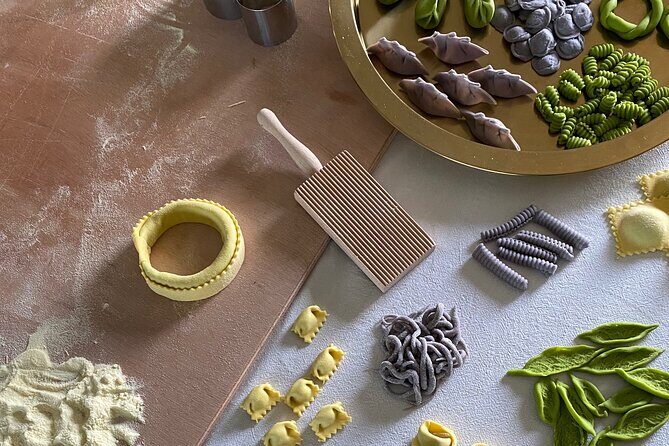
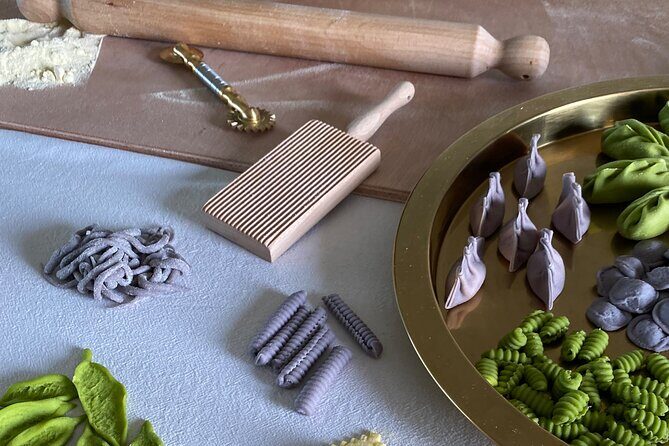
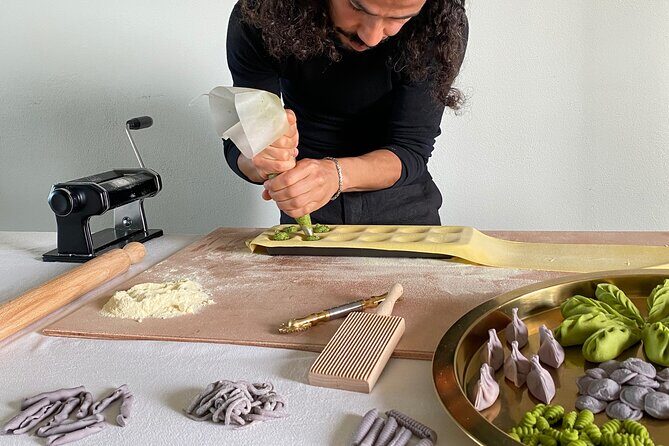
This experience is all about the tactile stuff—dough feel, shaping rhythm, and getting consistent results. You’ll make pasta by hand and learn different pasta shapes, using Sardinian inspiration such as Malloreddus, Andarinos, and Lorighittas. Even if you don’t master every shape perfectly, you’ll come away with a real sense of how island pasta gets its character.
What I like about this is the “craft” focus. Pasta-making can sound vague in the brochures, but here the language is specific: you’re shown how to achieve the right texture and taste, and then you apply the method yourself.
Building Culurgiones: The Stuffing and the Combine
If you like stuffed pasta, you’ll be in your element. The class specifically teaches how to make the perfect filling for Culurgiones and how to combine it harmoniously with sauce. You’re not only learning ingredients—you’re learning process.
In the provided menu, the Culurgiones are described as traditional culurgiones filled with creamy mashed potatoes. That means you can expect a filling that’s soft and comforting, not dry or crumbly. The value here is that stuffed pasta often fails when the filling ratio is off or when the assembly isn’t snug. A good instructor helps you avoid that.
The Health Twist That Still Feels Like Pasta Night
A major differentiator is the emphasis on healthy varieties of pasta. The class uses plant-based ingredients and whole wheat pasta flour. In practical terms, this means you’re learning how to do “real pasta work” while using flours and components that many people associate with lighter eating.
Is whole-wheat pasta exactly the same as standard durum semolina? Not necessarily. You might notice a slightly different texture and flavor profile. But that’s also the point: you get to learn how to make pasta that fits a modern, health-minded kitchen without turning it into a compromise meal.
How the Chef Helps You Create Your Own Variations
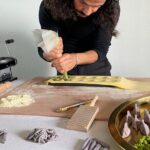
Chef Ovan doesn’t just run you through a single script. You’re encouraged to create your own unique variations, using the taught steps as your foundation. That makes the class more useful after you leave, because you can adapt techniques at home instead of repeating one exact recipe forever.
Also, the review notes highlight the “tête-à-tête” feel with the chef, which tracks with the maximum of 8 travelers. When the group is small, you can ask questions that actually matter—like how to adjust dough feel, or what “perfect texture” looks like in your hands.
Other Sardinian cooking classes in Sardinia
The 3-Course Menu You’ll Eat (Yes, It’s What You Cook)
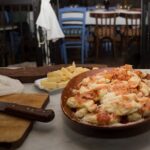
After the workshop, you’ll enjoy a meal based on the pasta you prepared. This is one of those classes where the “dinner” part doesn’t feel like a separate restaurant stop. It’s part of the learning loop: you make it, you eat it, then you understand what worked.
Here’s the menu described for the 3-course dinner:
Starter / Main Course: Handmade stuffed ravioli
You’ll start with handmade stuffed ravioli. Stuffed ravioli is a great technique builder because it forces you to think about sealing and portioning—two things that affect both cooking and satisfaction. Even if you don’t plan to make ravioli every week, you’ll learn the “structure” idea that applies to other filled pastas.
The Signature Highlight: Culurgiones with creamy mashed potatoes
Next up is traditional culurgiones filled with creamy mashed potatoes. Culurgiones are not just pasta; they’re identity. Learning to shape and fill them is a practical win because it’s a pasta that feels special even when you’re cooking at home.
The Island-Style Comfort: Malloreddus with lentil and tofu ragù
For the third course, you’ll eat Malloreddus served with a slow-cooked lentil and tofu ragù. Malloreddus are a classic Sardinian shape, and they’re perfect for absorbing sauce. The plant-based ragù also means you get a slow-cooked, hearty feeling without relying on meat as the flavor anchor.
What’s Included in Your Meal (and What Costs Extra)
Your class includes coffee and/or tea, plus water. It also includes your self prepared pasta in a 3-course pasta dinner (listed as lunch in the inclusions, but the core idea is clear: you make the meal and eat it).
There’s also an optional add-on: a botanical non alcoholic wine pairing available for an additional charge. One practical point: the minimum age for alcohol is listed as 18 years, even though the pairing is described as non alcoholic. If you’re traveling with teens, it’s worth checking before you book so you don’t get surprised.
Timing: About 3 Hours of “Hands-On, Not Waiting”
The class is about 3 hours. For a pasta workshop, that’s a solid length: enough time to learn shaping and filling, not just a quick demonstration. It also keeps the experience compact, so it won’t steal an entire day from your Sardinia plans.
The experience ends back at the meeting point, which helps you keep your itinerary clean. You’ll know where you need to go without a late-day scramble.
Group Size: Why Max 8 Makes the Quality Feel Better
The activity runs with a maximum of 8 travelers and a minimum of 2 adults. Those numbers matter more than they sound. In smaller groups, you get closer attention when dough is behaving oddly, or when shaping takes longer than expected. You also get a better chance to ask follow-ups instead of feeling rushed.
And if you’re the type who likes a little guidance rather than a full cooking class meltdown, small groups are usually the sweet spot.
English Instruction Without the Usual “Food-Only” Confusion
The class is offered in English. That might sound basic, but it’s important in cooking where tiny technique words matter. When you’re learning pasta texture, it helps to have instructions in a language you can think in fast.
Even if you’re not an expert cook, this reduces the risk of misunderstanding a step like dough consistency or the way to handle stuffing.
Price and Value: Is $107.18 Fair for What You Get?
At $107.18 per person for about 3 hours, the value comes from three places:
- You eat a full 3-course meal built around the pasta you make.
- Small-group teaching (max 8) with step-by-step guidance from chef Ovan.
- A structured menu with specific Sardinian targets—handmade stuffed ravioli, culurgiones, and malloreddus—plus a learning focus on texture and technique.
If you’ve paid for cooking classes before and felt disappointed by a long demo followed by a tiny snack, this one’s set up to avoid that. The “work + meal” pairing is the main reason the price feels reasonable.
Also, the optional pairing is extra, which is fine. You can treat it like a bonus instead of a requirement.
Who This Class Is Best For (and Who Might Want Something Else)
This is ideal if you:
- love pasta and want to learn real shaping and stuffing methods
- want specifically Sardinian pasta forms and flavors
- enjoy cooking with a plant-based, whole-wheat direction
- prefer a class where you can ask questions and get feedback
You might choose a different option if you:
- want only classic meat-based versions of sauces
- need gluten-free food (the class uses whole wheat flour, not gluten-free techniques)
Quick Practical Tips Before You Go
These are small prep ideas that make a hands-on pasta class smoother:
- Wear comfortable clothes you won’t mind getting flour on.
- Expect to learn texture, not just follow a recipe—ask questions early if something feels too dry or too sticky.
- Go in hungry. You’re making and then eating a 3-course dinner.
And since one review calls out the beautiful scenery as part of the tasting atmosphere, it’s worth arriving with a calm mood. Settle in, focus on the food, and enjoy the setting while you eat.
Should You Book This Pasta Art Cooking Class?
I’d book it if you want a hands-on pasta class in Sardinia where the learning actually connects to what you eat. The small group size, chef-led pacing, and the specific Sardinian focus on shapes like Malloreddus plus stuffed-pasta technique like Culurgiones make it feel more like a skill workshop than a casual food tour.
Book it especially if you like the idea of whole-wheat, plant-based pasta that still ends with a satisfying, hearty meal. If you’re chasing strictly traditional, meat-heavy ragù, you may feel differently. But if you’re open to a modern, healthier take on island pasta craft, this is a strong pick.
FAQ
How long is the cooking class?
It’s approximately 3 hours.
Where does the class meet?
The meeting point is Via delle Robinie, 7, 09045 Quartu Sant’Elena CA, Italy.
What is included in the price?
Coffee and/or tea, water, and a 3-course pasta dinner using the pasta you prepare during the workshop.
What will I eat during the 3-course meal?
The menu includes handmade stuffed ravioli, traditional culurgiones filled with creamy mashed potatoes, and malloreddus served with a slow-cooked lentil and tofu ragù.
Is there an alcohol pairing option?
Yes. A botanical non alcoholic wine pairing is available for an additional charge. The minimum age for alcohol is 18 years.
What language is the class offered in?
The experience is offered in English.
How large are the groups?
The maximum group size is 8 travelers, and the minimum is 2 adult people.
Is the workshop suitable for beginners?
Yes, it’s suitable for both beginners and experienced chefs.
What’s the cancellation policy?
You can cancel for free up to 24 hours in advance for a full refund. If you cancel less than 24 hours before the start time, the amount you paid is not refunded.